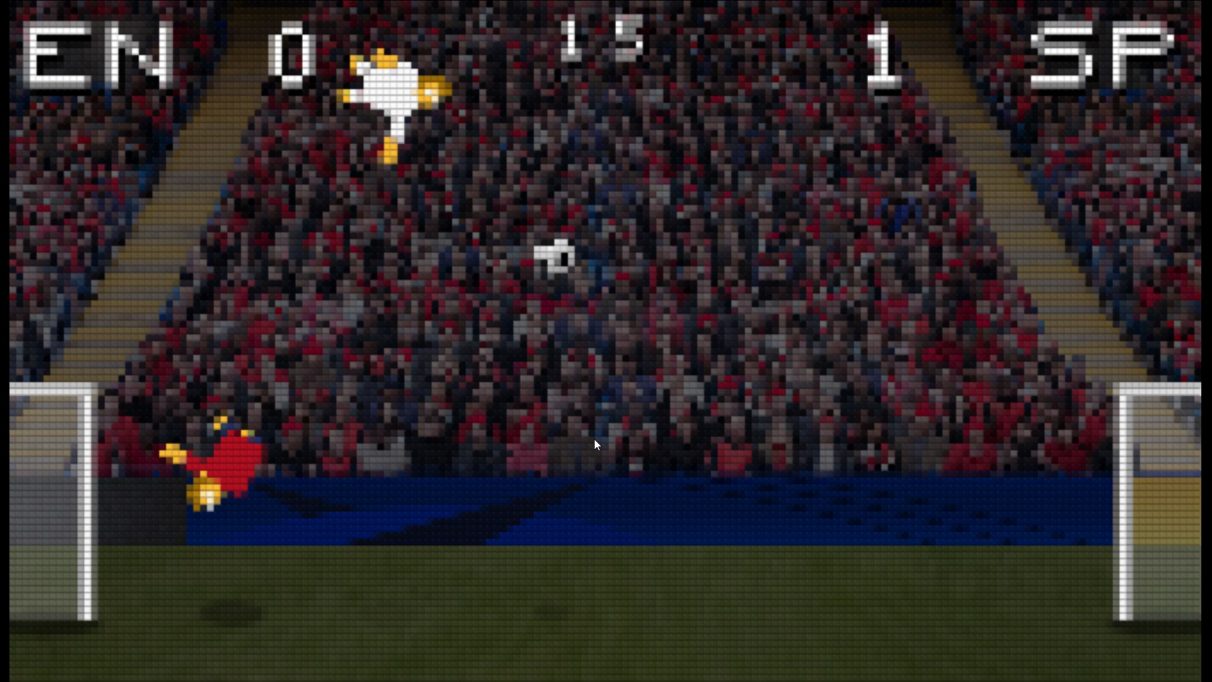
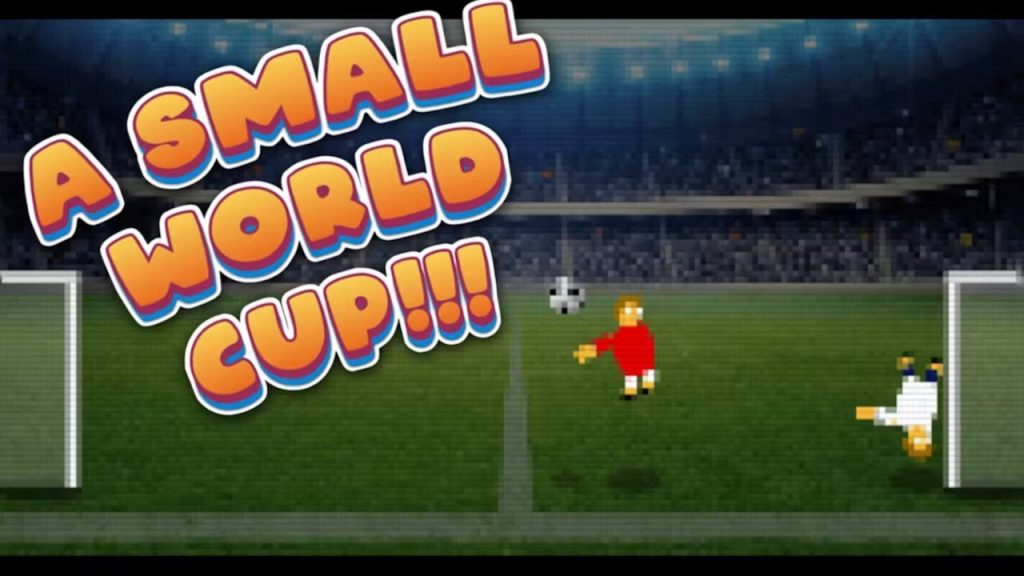
A Small World Cup is a physics-based soccer game where you control a single ragdoll player and try to outscore your opponent. The gameplay is easy to understand, but mastering movement, timing, and positioning can take practice.
In short, how do you play A Small World Cup? You click, drag, and release your player to launch them toward the ball. Your goal is to score more goals than your opponent while preventing the ball from entering your own net.
Whether you are playing for the first time or trying to win more matches, this guide explains everything you need to know about A Small World Cup, including controls, gameplay basics, scoring techniques, and beginner strategies.
Quick Answer: How to Play A Small World Cup
The basic objective is to score more goals than your opponent before the match ends.
| Question | Answer |
|---|---|
| How do you move? | Click, drag, and release your player |
| How do you score? | Launch your player into the ball and direct it into the goal |
| Is the game easy to learn? | Yes, but mastering the physics takes practice |
| What is the main challenge? | Controlling movement and positioning |
| What should beginners focus on? | Timing, accuracy, and defensive positioning |
The game uses simple mouse controls, but every movement affects the ball differently because of the ragdoll physics system.
Understanding the Goal of the Game
The objective of A Small World Cup is straightforward. Score more goals than your opponent before time expires or score the winning goal first in special modes.
Unlike traditional soccer games where you control an entire team, you only control one player. This creates a unique challenge because every launch must be carefully planned.
Success depends on predicting how your player and the ball will react after each collision.
How the Controls Work
The controls are simple enough for anyone to learn within a few minutes.
- Click and hold your player.
- Drag in the opposite direction you want to move.
- Release to launch the player.
- Use different drag distances to control power.
Players who want a deeper explanation of aiming and movement should read our A Small World Cup controls guide.
Although the controls are simple, learning how much power to use in different situations is one of the most important skills in the game.
How to Score Goals Consistently
Many beginners assume they should always use maximum power. In reality, controlled and accurate shots are often much more effective.
Try to hit the center of the ball whenever possible. This creates more predictable movement and increases your chance of directing the ball toward the goal.
You should also pay attention to rebounds. The walls can create unexpected scoring opportunities if you use angles correctly.
- Aim for accuracy instead of raw power.
- Use wall rebounds when direct shots are blocked.
- Stay close to the ball whenever possible.
- Take advantage of open space in front of the goal.
How to Defend Your Goal
Defense is often overlooked by new players. After taking a shot, many players leave their goal completely exposed.
The best defensive strategy is to quickly reposition your player between the ball and your goal. This makes it much harder for opponents to score.
Avoid launching yourself too far away from the goal unless you are certain you can recover quickly.
A strong defense often wins more matches than aggressive attacking alone.
Common Beginner Mistakes
Most new players struggle because they make a few common mistakes.
- Using maximum power on every launch.
- Ignoring defensive positioning.
- Chasing the ball without a plan.
- Panicking after missing a shot.
- Overcommitting to risky attacks.
Recognizing and avoiding these mistakes can significantly improve your win rate.
Best Tips for New Players
If you are just starting out, focus on building consistency rather than attempting advanced tricks.
- Use shorter launches to maintain control.
- Watch how the ball reacts after each collision.
- Learn the timing of rebounds.
- Protect your goal after every attack.
- Practice different launch angles.
For more advanced strategies, check out our detailed A Small World Cup beginner tips guide.
Which Game Mode Should Beginners Play?
New players should start with standard matches to learn the basic mechanics. Once you feel comfortable with movement and ball control, you can move on to more challenging modes.
Practice mode is useful for understanding the physics system, while tournament modes help you develop competitive skills under pressure.
As your confidence grows, you will be able to adapt your strategy to different game situations more effectively.
Why A Small World Cup Feels Difficult at First
Many players are surprised by how challenging the game can feel initially. This is because the ragdoll physics system creates unpredictable movements that require experience to understand.
The good news is that improvement comes quickly. After a few matches, you’ll begin to recognize common ball trajectories and develop better control over your player.
Patience and practice are the keys to mastering the game.
Final Answer: How to Play A Small World Cup
To play A Small World Cup, click and drag your player to aim, then release to launch toward the ball. Score goals, defend your net, and use smart positioning to outperform your opponent.
While the controls are simple, mastering timing, accuracy, and defensive play is what separates beginners from experienced players.
With enough practice, you’ll quickly learn how to control the game’s physics and win more matches consistently.
FAQs
How do you play A Small World Cup?
Click, drag, and release your player to launch them toward the ball and score goals against your opponent.
Is A Small World Cup easy to learn?
Yes. The controls are simple, but mastering the physics and positioning takes practice.
What is the best way to score in A Small World Cup?
Focus on accurate shots and proper timing rather than using maximum power on every launch.
What should beginners focus on first?
Beginners should learn movement control, defensive positioning, and basic shot accuracy.
Why do I keep scoring own goals?
Own goals usually happen when players overcommit to attacks and fail to protect their goal afterward.
Can I improve quickly in A Small World Cup?
Yes. Most players see noticeable improvement after learning how the ball reacts to different launch angles and collisions.
Conclusion
Learning how to play A Small World Cup is simple, but becoming a consistent winner requires practice and strategy. By understanding the controls, improving your positioning, and balancing offense with defense, you can dramatically increase your chances of success.
Start with the basics, stay patient, and continue refining your skills. Before long, you’ll be scoring impressive goals and winning matches with confidence.

Ethan Carter is an experienced gaming editor who writes practical guides, tips, and strategy content for casual browser games, including physics-based sports games like A Small World Cup.