A Small World Cup beginner tips can help new players overcome the learning curve and start winning matches much faster. Although the game uses simple controls, mastering its physics-based gameplay takes practice, patience, and a solid understanding of the fundamentals.
Many new players struggle because they focus only on hitting the ball as hard as possible. However, experienced players know that positioning, timing, and smart decision-making are far more important than raw power.
This guide covers the most useful A Small World Cup beginner tips to help you improve quickly, avoid common mistakes, and enjoy the game from your very first match.
Before applying these techniques, spend some time playing A Small World Cup to become familiar with the movement system and basic gameplay mechanics.
Quick Answer: A Small World Cup Beginner Tips
The best A Small World Cup beginner tips are learning the controls, focusing on positioning, using controlled launches, recovering quickly after attacks, and staying patient during matches.
| Beginner Tip | Benefit |
|---|---|
| Learn basic controls | Builds a strong foundation |
| Use controlled power | Improves accuracy |
| Stay goal side | Strengthens defense |
| Recover after attacks | Prevents easy goals |
| Stay patient | Reduces mistakes |
Learn the Controls First
One of the most important A Small World Cup beginner tips is mastering the controls before worrying about advanced strategies. The game uses a simple click, drag, and release mechanic, but small adjustments can dramatically affect your results.
Understanding how launch direction and power influence movement will help you make better decisions throughout every match.
New players who rush into competitive games without learning the controls often struggle unnecessarily.
Do Not Use Maximum Power All the Time
Many beginners assume stronger shots automatically lead to more goals. In reality, excessive power often causes missed opportunities and poor positioning.
One of the most valuable A Small World Cup beginner tips is learning how to use controlled launches. Medium-strength shots are usually easier to aim and allow faster recovery after attacks.
Accuracy wins more matches than power.
- Focus on precision.
- Use smaller launches when defending.
- Experiment with different power levels.
- Avoid rushing every attack.
Always Pay Attention to Positioning
Positioning is one of the biggest differences between beginners and experienced players.
Many new players chase the ball constantly, leaving their goal exposed. A better approach is staying in positions that allow both attacking and defensive opportunities.
Good positioning helps you react faster and maintain control throughout the match.
Protect Your Goal Before Attacking
Another important A Small World Cup beginner tip is prioritizing defense. Scoring goals is important, but preventing goals is equally valuable.
Before launching forward, ask yourself whether you can recover if the attack fails. If the answer is no, it may be better to stay patient and wait for a safer opportunity.
Strong defensive habits often lead to more victories than aggressive playstyles.
| Defensive Habit | Result |
|---|---|
| Stay between ball and goal | Blocks direct attacks |
| Recover quickly | Reduces counterattacks |
| Stay patient | Avoids unnecessary risks |
| Watch positioning | Improves overall defense |
Learn From Every Match
Every game provides opportunities to improve. Instead of focusing only on wins and losses, analyze what happened during important moments.
Did you miss because of poor positioning? Did you overuse power? Did you leave your goal exposed?
Reviewing mistakes is one of the fastest ways to improve as a beginner.
Practice Recovery After Every Launch
Recovery is often overlooked by new players. After every shot, save, or challenge, you should immediately think about returning to a useful position.
Many goals are conceded because players remain out of position after attacking.
Developing good recovery habits is one of the most effective A Small World Cup beginner tips for long-term success.
Use Rebounds to Your Advantage
The walls can become valuable tools once you understand how they affect the ball.
Rather than viewing rebounds as random events, learn to predict and use them. Wall bounces often create scoring opportunities that are impossible with direct shots.
As your experience grows, rebounds will become an important part of your overall strategy.
- Observe bounce angles.
- Practice indirect shots.
- Use walls to escape pressure.
- Create unexpected attacks.
Stay Calm During Chaotic Moments
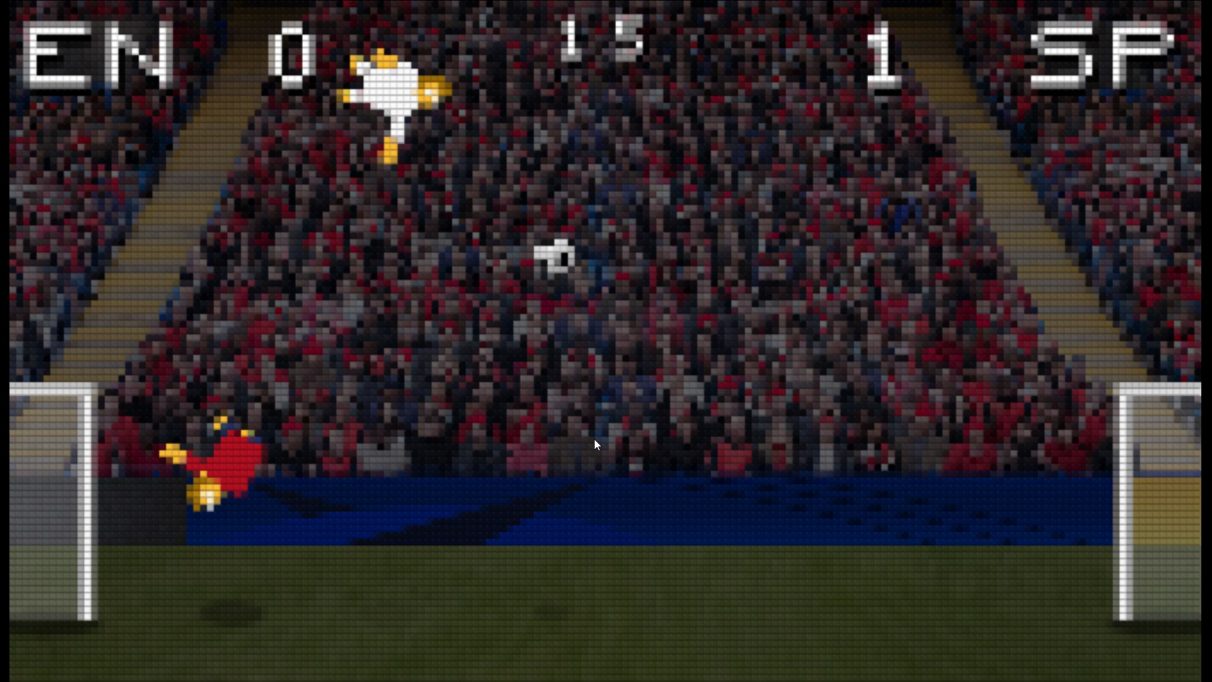
A Small World Cup is famous for unpredictable ragdoll physics. Sometimes the ball bounces wildly around the field, creating stressful situations.
One of the best A Small World Cup beginner tips is staying calm when things become chaotic. Panicked launches often make situations worse.
Controlled actions usually produce better results than desperate reactions.
Focus on Consistency
Many beginners search for advanced tricks immediately. However, consistency is far more important than flashy plays.
Players who repeatedly make good decisions tend to improve much faster than players who rely on risky strategies.
Building strong fundamentals creates a foundation for long-term improvement.
For a complete overview of gameplay mechanics, read our A Small World Cup guide.
Develop a Winning Mindset
Improvement takes time. Every experienced player was once a beginner who struggled with movement, positioning, and timing.
Stay patient, practice regularly, and focus on gradual progress rather than immediate perfection.
If you want to improve your overall performance even faster, check out our how to win A Small World Cup guide.
Common Beginner Mistakes
- Using maximum power on every launch.
- Ignoring defensive positioning.
- Chasing the ball constantly.
- Panicking under pressure.
- Recovering too slowly after attacks.
- Forcing low-percentage shots.
Avoiding these mistakes will immediately improve your gameplay and make matches feel much easier.
Final Answer: A Small World Cup Beginner Tips
The best A Small World Cup beginner tips focus on mastering the controls, improving positioning, defending responsibly, and making smarter decisions throughout every match.
Success comes from consistency and patience rather than relying on luck or maximum power. As you gain experience, these habits will help you become a much stronger player.
FAQs
What are the best A Small World Cup beginner tips?
The best tips include learning the controls, using controlled launches, focusing on positioning, and recovering quickly after attacks.
Is A Small World Cup difficult for beginners?
The controls are simple, but mastering the physics and positioning system takes practice.
Should beginners focus on offense or defense?
Beginners should focus on maintaining balance. Strong defense often leads to more wins than constant attacking.
Why do I keep losing matches?
Common reasons include poor positioning, overusing power, chasing the ball, and leaving the goal exposed.
How can I improve quickly?
Practice regularly, analyze mistakes, and focus on mastering the fundamentals before learning advanced strategies.
How important is positioning?
Positioning is one of the most important skills in the game because it affects both offense and defense.
Conclusion
These A Small World Cup beginner tips provide a strong foundation for anyone starting the game. By focusing on positioning, controlled movement, defensive awareness, and patience, you can improve much faster and enjoy more success on the field.
Remember that every match is an opportunity to learn. Continue practicing, apply these A Small World Cup beginner tips consistently, and you’ll soon develop the skills needed to compete with more experienced players.

Ethan Carter is an experienced gaming editor who writes practical guides, tips, and strategy content for casual browser games, including physics-based sports games like A Small World Cup.