
The fastest way to win a World Cup Tournament in A Small World Cup depends on physics control, timing, and early scoring. All teams in the game have identical stats, so winning is not about strength but about how you control movement and momentum.
Every match follows a knockout format. One loss means immediate elimination. Because of this, fast victories come from early goals, precise kickoff execution, and efficient use of ragdoll physics.
Players who understand timing and collision mechanics can finish matches in just a few seconds when everything aligns correctly. Read more A Small World Cup guides below to discover faster winning strategies and improve your performance in every tournament round.
Tournament Structure and Why Speed Matters
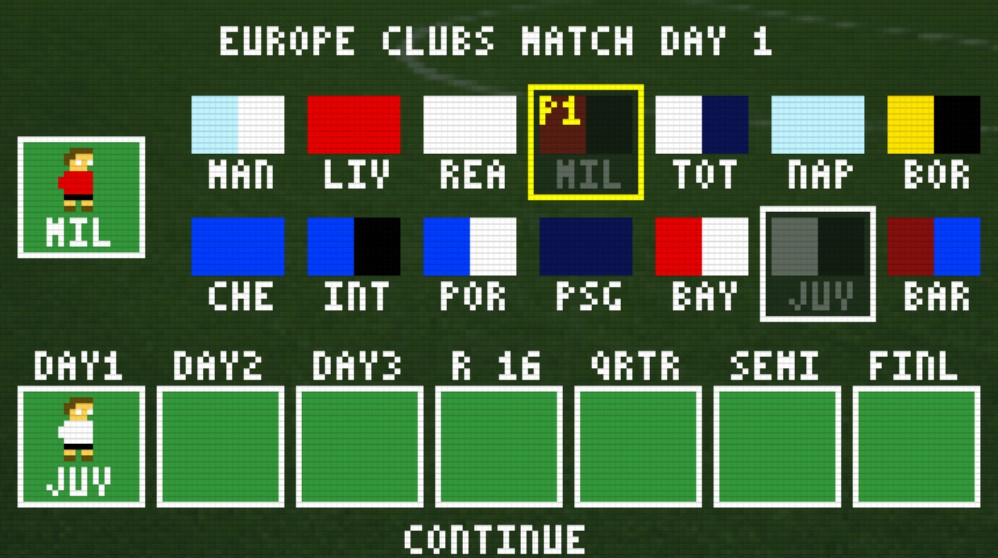
A Small World Cup uses a full knockout system. There is no group stage or second chance system. Every match is a must-win situation.
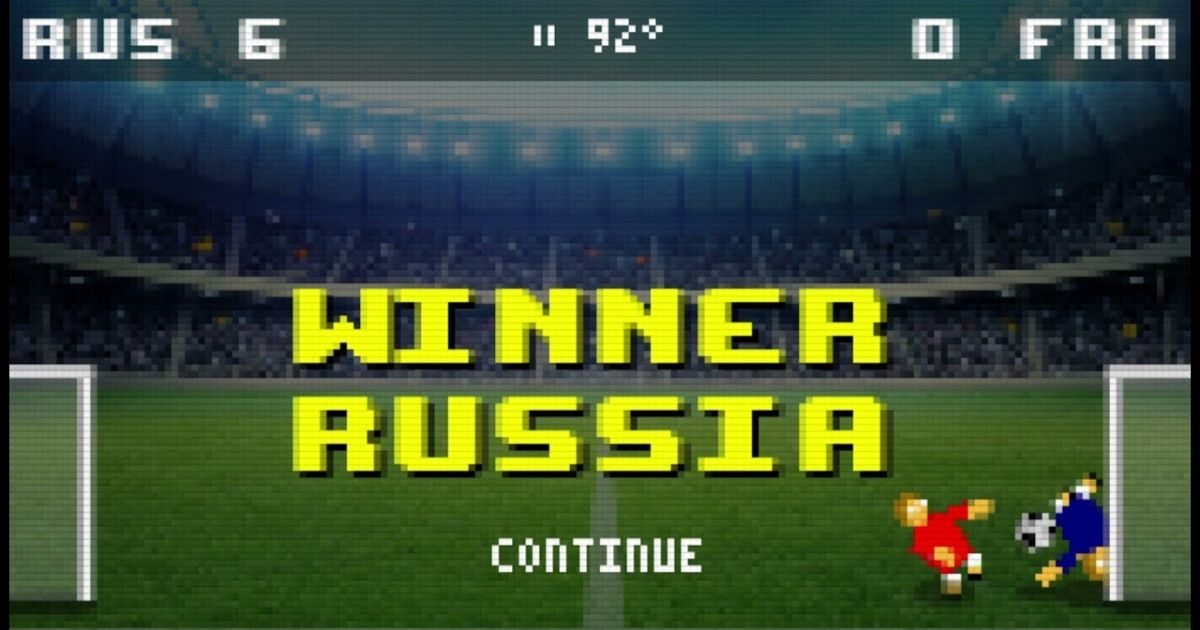
This structure makes speed extremely important. A slow match increases the risk of mistakes and unexpected physics outcomes.
Winning quickly also reduces exposure to AI pressure in later rounds. That is why early scoring is the most important strategy.
Core Mechanics Behind Fast Wins
Ragdoll Physics System
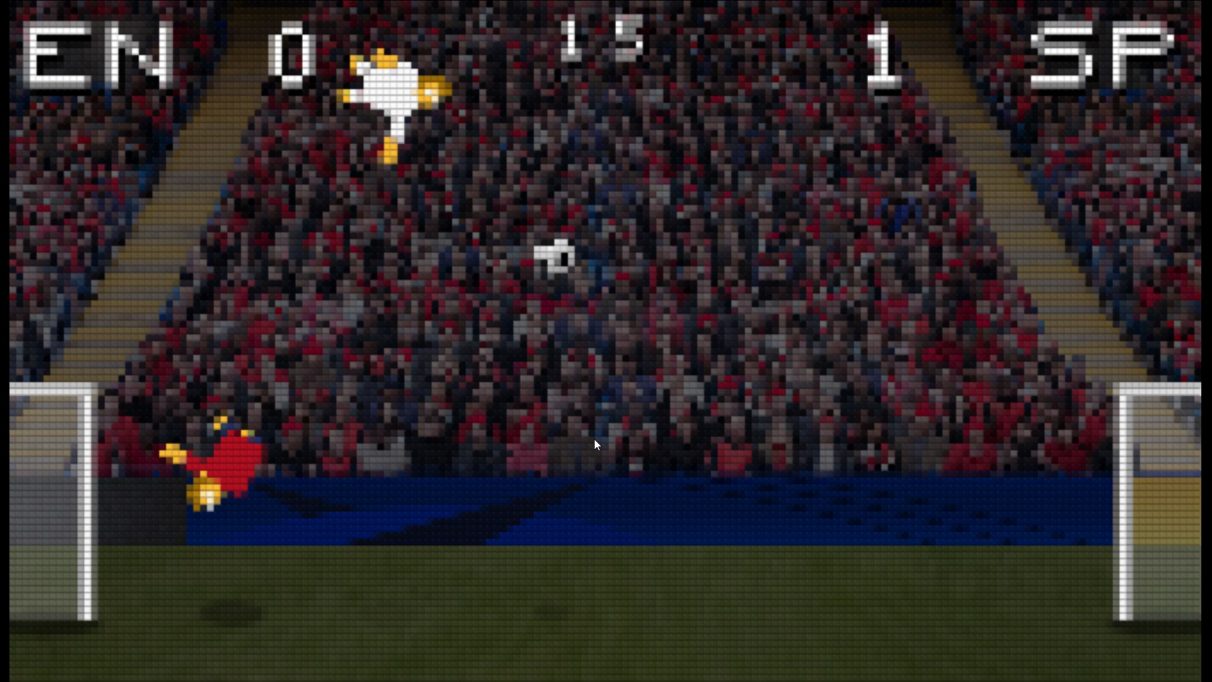
The game uses ragdoll physics instead of traditional football animation. Players move based on drag force and collision impact.
This system creates unpredictable movement. A single interaction can change the entire direction of the ball instantly.
Kickoff Timing
The first seconds of each match are the most important. A strong kickoff can decide the outcome immediately.
Players who act quickly at kickoff often gain instant scoring opportunities before AI reacts.
Equal Team Stats
All teams are fully balanced. There are no hidden advantages in speed or shooting power.
This means success depends only on player control and physics understanding.
For beginners, check easiest teams for beginners in A Small World Cup to reduce visual confusion while learning controls.
Fastest Strategy Breakdown
Step 1: Aggressive Kickoff Shot
Start every match with a direct shot toward the goal. Use full power immediately after kickoff.
This creates early pressure and often leads to instant goals if the opponent is not positioned correctly.
Step 2: Force Early Collision
Move aggressively toward the ball to create contact situations. Collisions often lead to unpredictable rebounds.
These rebounds can result in accidental goals or defensive mistakes from AI.
Step 3: Use Wall Bounce Physics
Walls can redirect the ball in unexpected angles. This mechanic is key for fast scoring.
Learning wall angles helps create instant goal opportunities from defensive positions.
Step 4: Finish Immediately
Do not delay near the goal. Quick finishing prevents AI from reacting and blocking shots.
The faster you shoot, the higher your chance of ending the match early.
Case Study: Fast Tournament Progression (Round 1 to Final)
Round 1: Easy Entry Stage
AI behavior is simple in early rounds. Players can win quickly using direct kickoff shots.
Most matches end in a few seconds if early aggression is applied correctly.
Round 2: Reaction Increase
AI begins reacting faster and blocking basic shots. Simple strategies become less effective.
Wall bounces and angled shots become more important in this stage.
Round 3: Mid Tournament Chaos
Matches become more chaotic due to increased collisions. Timing becomes critical.
One mistake can extend the match significantly or change the outcome.
Round 4: High Pressure Stage
AI starts applying stronger defensive pressure. Early mistakes are punished faster.
Players must balance aggression with controlled movement.
Round 5: Late Tournament Difficulty
AI reaction speed increases significantly. Simple kickoff goals become rare.
Precision and wall-based strategies are required to maintain fast wins.
Round 6: Semi Final Intensity
Matches become tighter and more defensive. Every collision matters.
Small rebounds or deflections often decide the result.
Final: Maximum Pressure Match
The final requires perfect execution. There is almost no room for error.
Fast wins depend on immediate kickoff shots and optimal physics interaction.
Why Some Runs Are Faster Than Others
Not every tournament run has the same speed. Physics randomness plays a major role.
Small differences in collision timing or ball angle can change match duration completely.
- Early goal success rate
- AI reaction speed
- Collision randomness
- Wall bounce behavior
Advanced Speed Techniques
Kickoff Exploit
Immediately shoot after kickoff without waiting. This reduces AI reaction time.
It is one of the fastest ways to score in early rounds.
Wall Trap Method
Use walls to trap the ball near the goal area. This creates easy scoring angles.
It also reduces AI movement options during defense.
Chaos Pressure Strategy
Increase movement and collisions near the ball. This forces unpredictable outcomes.
Chaos often leads to accidental goals that end matches quickly.
Common Mistakes That Slow Down Wins
- Over-dribbling instead of shooting early
- Waiting too long at kickoff
- Using weak shots instead of full power
- Defensive hesitation in early moments
FAQs
What is the fastest way to win in A Small World Cup?
The fastest method is using immediate kickoff shots combined with wall bounce or direct goal attempts.
Do all teams affect match speed?
No. All teams have identical stats. Speed depends only on player skill and physics control.
What is the best scoring method?
Kickoff shots and early collision-based goals are the fastest ways to score.
Does AI get harder in later rounds?
Yes. AI becomes more aggressive and reacts faster in deeper tournament stages.
Is Golden Goal useful for fast wins?
Yes. Golden Goal ends the match immediately after the first goal, making tournaments much faster.
Conclusion
The fastest way to win in A Small World Cup is based on physics mastery, not team selection. Players who understand kickoff timing, wall rebounds, and early aggression can finish matches in seconds.
With enough practice, even late-stage tournament matches can be completed quickly and consistently. To improve further, explore guides like most aggressive World Cup nations to play in A Small World Cup and easiest teams for beginners in A Small World Cup.

Ethan Carter is an experienced gaming editor who writes practical guides, tips, and strategy content for casual browser games, including physics-based sports games like A Small World Cup.