
Easiest Teams for Beginners in A Small World Cup explains that all teams are equal in stats, and results depend on physics, timing, and player skill. Beginners still prefer certain teams because clear kit colors make it easier to track movement in chaotic matches.
There are no hidden advantages between national teams, so success comes from control and understanding mechanics. Teams with bright visuals help reduce confusion during fast ragdoll action.
Early AI matches or practice modes are easier and help new players learn basic controls. Improving requires mastering direction, timing, and shot strength step by step. Read the full article below for more beginner tips and strategies.
Easiest Teams for Beginners in A Small World Cup
In A Small World Cup, all national teams share identical stats, meaning no team has better speed, shooting power, or defensive ability. The game is designed to be fully balanced, with outcomes determined by physics, timing, and player control rather than team strength.

However, beginners often feel that some teams are easier to play because of visual clarity, kit colors, and how easily players can track movement during chaotic ragdoll interactions.
Why All Teams Are Technically Equal
Unlike traditional football games, there are no hidden stat differences between teams. Every national team behaves the same in terms of movement, force, and ball interaction.
This means winning is entirely based on skill, positioning, and understanding physics mechanics rather than choosing a “strong” team.
Despite this, beginners still benefit from selecting visually clearer teams to reduce confusion during fast-paced moments.
Best Teams with Clear Visual Identity
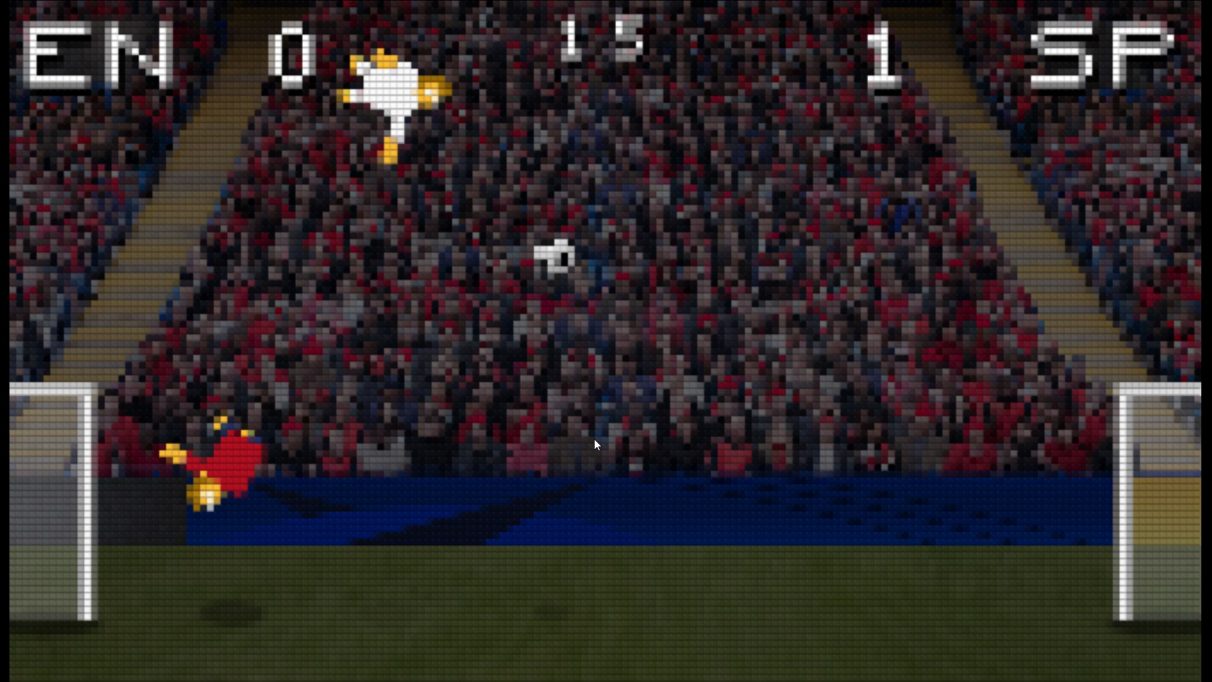
One of the biggest challenges for new players is tracking their character during chaotic gameplay. Since ragdoll movement is unpredictable, players often lose sight of their position on the field.
Teams with high-contrast and bright kit colors make it easier to follow your player and react quickly to ball movement.
Popular beginner-friendly choices include Brazil, Sweden, Argentina, Uruguay, and the Netherlands due to their strong color visibility.
These teams help reduce visual confusion and improve control consistency during matches.
Using AI Behavior to Your Advantage
Although teams are equal, AI behavior can feel different depending on match conditions and difficulty settings.
In early matches or practice modes, some opponents may appear less aggressive, giving beginners more time to learn dragging mechanics and shooting timing.
This creates a safer environment for learning how physics interactions work without constant pressure from aggressive AI responses.
Learning Core Mechanics Before Competitive Play
Before jumping into advanced gameplay, beginners should focus on mastering basic controls such as drag direction, release timing, and shot strength.
These mechanics are essential because every action in the game depends on physics-based movement rather than scripted animations.
Understanding these fundamentals will also help players perform better in deeper challenges like World Cup 2026 semifinal predictions in A Small World Cup simulation.
Improving Skills with Practice and Challenges
Practice modes and challenge runs are important for improving consistency. Repeating matches helps players understand how ball physics reacts in different situations. One popular challenge is A Small World Cup challenge: Win with every World Cup nation, which forces players to adapt to different visual setups and match conditions.
Over time, this builds better control and reaction speed in chaotic match environments.
Tips for Beginners to Improve Faster
- Focus on controlling direction before power
- Stay close to the ball to reduce reaction delays
- Use short, controlled movements instead of long drags
- Learn how rebounds affect ball direction
- Practice consistently in early rounds before going competitive
Why Beginner-Friendly Teams Still Matter
Even though all teams are equal in stats, beginner-friendly choices help reduce visual confusion and improve learning speed.
Choosing clear kit colors and practicing against manageable AI behavior allows new players to focus on mechanics instead of struggling with visibility issues.
Conclusion
Easiest Teams for Beginners in A Small World Cup are not about strength but about clarity, control, and learning comfort in a physics-driven environment. By choosing visually clear teams and focusing on core mechanics, beginners can quickly improve their performance and adapt to the game’s chaotic ragdoll system.
Read more A Small World Cup guides to master advanced techniques and improve your gameplay skills step by step.

Ethan Carter is an experienced gaming editor who writes practical guides, tips, and strategy content for casual browser games, including physics-based sports games like A Small World Cup.