A Small World Cup may look like a simple physics-based soccer game, but winning consistently requires more than luck. While the controls are easy to learn, mastering the game’s ragdoll mechanics takes practice, patience, and smart decision-making.
Many new players focus entirely on scoring goals, only to discover that poor positioning, missed recoveries, and careless shots often lead to defeat. The best players understand how to use momentum, rebounds, and defensive positioning to control the match.
If you’re wondering what are the best A Small World Cup tips, this guide covers the most important strategies that can immediately improve your performance.
You can practice these techniques while playing A Small World Cup.
Quick Answer: What Are the Best A Small World Cup Tips?
The best A Small World Cup tips are to focus on positioning, recover quickly after every move, use controlled power instead of maximum force, learn rebound angles, and prioritize defense before attacking.
| Tip | Impact |
|---|---|
| Master positioning | Creates easier scoring chances |
| Recover quickly | Prevents counterattacks |
| Use controlled power | Improves accuracy |
| Read rebounds | Creates more opportunities |
| Defend first | Reduces easy goals conceded |
1. Focus on Positioning Instead of Chasing the Ball
The most common mistake beginners make is constantly chasing the ball. Because of the game’s physics system, chasing every movement often leaves your goal exposed.
Instead, try to predict where the ball will go next. Good positioning allows you to attack and defend more effectively while using less movement.
The best players are usually standing in the right place before the ball arrives.
2. Learn How the Physics System Works
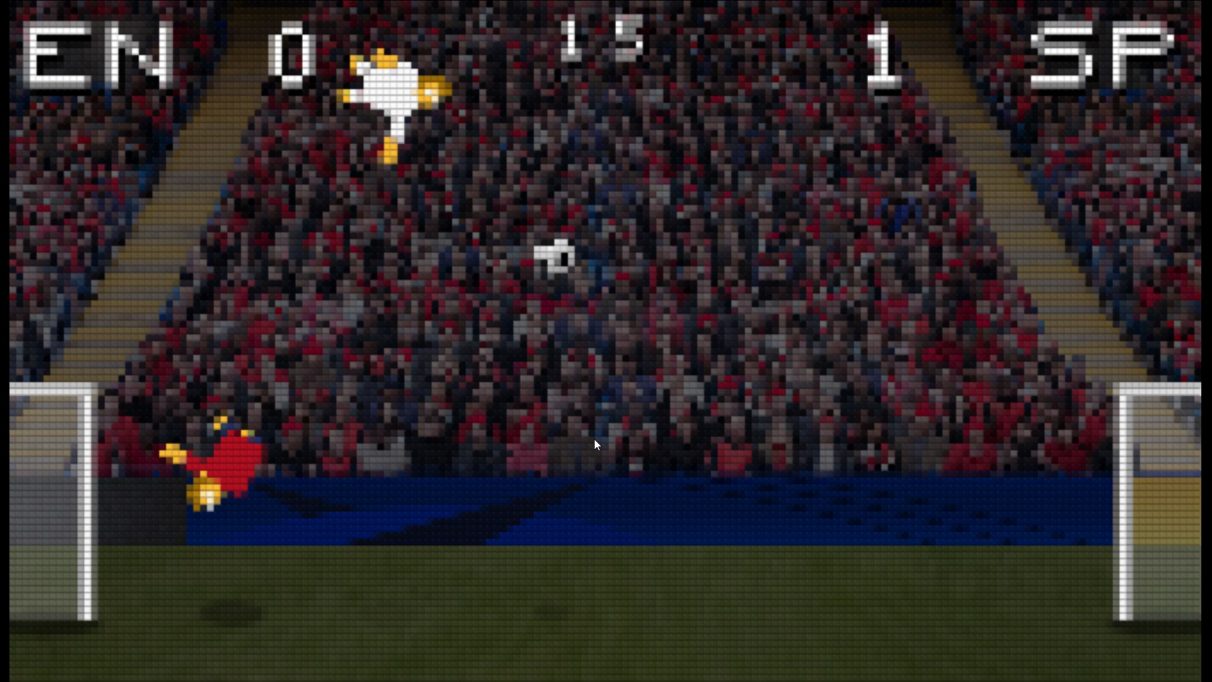
A Small World Cup is built around ragdoll physics. Every collision, bounce, and movement affects how the ball behaves.
Understanding momentum helps you make smarter decisions. Strong launches create more power but often leave you out of position. Smaller movements provide better control and faster recovery.
The sooner you understand physics, the faster you will improve.
3. Recover Immediately After Every Shot
Many goals are conceded because players admire their shot instead of preparing for the next play.
Whether your attack succeeds or fails, you should immediately begin recovering toward a defensive position.
Quick recovery is one of the biggest differences between beginners and experienced players.
| Action | Best Follow-Up |
|---|---|
| Shoot | Return toward goal |
| Clear the ball | Protect the center |
| Miss a challenge | Recover quickly |
| Hit the post | Prepare for rebound |
4. Use Less Power Than You Think
Many players assume maximum power is always the best option.
In reality, controlled launches usually provide better accuracy and more consistent results. Overpowered shots often create unpredictable rebounds or leave your player unable to recover.
Accuracy wins more matches than raw power.
5. Prioritize Defense Before Attack
A strong defense creates more victories than constant aggression.
Before attempting risky attacks, make sure your goal is protected. Many matches are decided by defensive mistakes rather than offensive brilliance.
- Stay between the ball and your goal.
- Protect central shooting lanes.
- Avoid unnecessary risks.
- Recover quickly after attacking.
Players who defend well usually create more scoring opportunities over time.
6. Learn Common Rebound Angles
Rebounds are responsible for many goals in A Small World Cup.
The ball frequently bounces off walls, goalposts, and players in unexpected ways. Instead of reacting after the bounce, try predicting where the ball is likely to travel.
This allows you to arrive at scoring opportunities before your opponent.
7. Be Patient Near Goal
Many players rush their shots when they see an opening.
Patience often creates better chances. Waiting for the right angle can dramatically increase your scoring percentage while reducing the risk of giving possession away.
A single high-quality shot is often better than several rushed attempts.
8. Avoid Own Goals
Own goals are one of the fastest ways to lose matches.
Most own goals happen when players panic near their net and launch recklessly at the ball. Staying calm allows you to clear the ball safely and maintain control.
| Situation | Recommended Response |
|---|---|
| Ball near goal | Stay calm and reposition |
| Dangerous rebound | Protect the center |
| Defensive pressure | Clear safely |
| Opponent attack | Block angles first |
9. Practice Different Game Modes
Every mode teaches different skills.
Practice Mode helps improve mechanics, World Cup Mode develops consistency, and Golden Goal teaches patience and defensive discipline.
Playing multiple modes accelerates improvement.
For tournament-specific advice, read our how to win World Cup mode in A Small World Cup guide.
10. Develop Consistency Instead of Looking for Highlights
Many players chase spectacular goals when they should focus on reliable fundamentals.
Consistency wins far more matches than occasional highlight plays. Positioning, recovery, defense, and smart shot selection produce better long-term results.
The most successful players make fewer mistakes rather than taking more risks.
Common Mistakes Beginners Should Avoid
Avoiding mistakes can improve your win rate immediately.
- Using maximum power constantly.
- Chasing the ball.
- Ignoring defense.
- Recovering too slowly.
- Panicking near goal.
- Forcing low-percentage shots.
Removing these habits often leads to faster improvement than learning advanced techniques.
For more advanced gameplay advice, check out our A Small World Cup tips and tricks guide.
Final Answer: What Are the Best A Small World Cup Tips?
The best A Small World Cup tips are to master positioning, understand the physics system, recover quickly after every action, use controlled power, anticipate rebounds, and maintain strong defensive discipline.
Players who focus on these fundamentals consistently outperform players who rely solely on aggressive attacks and maximum power.
FAQs
What is the most important tip in A Small World Cup?
Positioning is usually the most important skill because it affects both offense and defense.
Should I always use maximum power?
No. Controlled power generally produces better accuracy and recovery opportunities.
Why do I keep conceding easy goals?
Poor positioning, slow recovery, and overcommitting to attacks are common causes.
How can I score more goals?
Focus on shot accuracy, rebound prediction, and creating high-quality opportunities.
What causes most beginner mistakes?
Chasing the ball, panicking under pressure, and ignoring defensive positioning.
Which game mode helps players improve fastest?
Practice Mode is excellent for learning mechanics, while World Cup and Golden Goal modes develop decision-making skills.
Conclusion
If you’re asking what are the best A Small World Cup tips, the answer comes down to mastering fundamentals. Positioning, recovery, patience, defense, and physics awareness have a greater impact on winning than flashy goals or aggressive tactics.
Build strong habits, avoid common mistakes, and you’ll quickly notice improvements in every mode the game has to offer.

Ethan Carter is an experienced gaming editor who writes practical guides, tips, and strategy content for casual browser games, including physics-based sports games like A Small World Cup.