Can you really defeat World Cup champions in A Small World Cup? This ragdoll football game turns every match into a chaotic knockout battle where timing, control, and patience decide everything. In this article, you will learn how the tournament works, winning strategies against AI, how upsets happen, and whether you can realistically beat top teams in the game.
You will also explore gameplay tips inspired by real match chaos and simulation ideas linked to football predictions and upset recreations. Read on to find out if you can survive all rounds and become the ultimate champion.
What Makes A Small World Cup So Challenging?
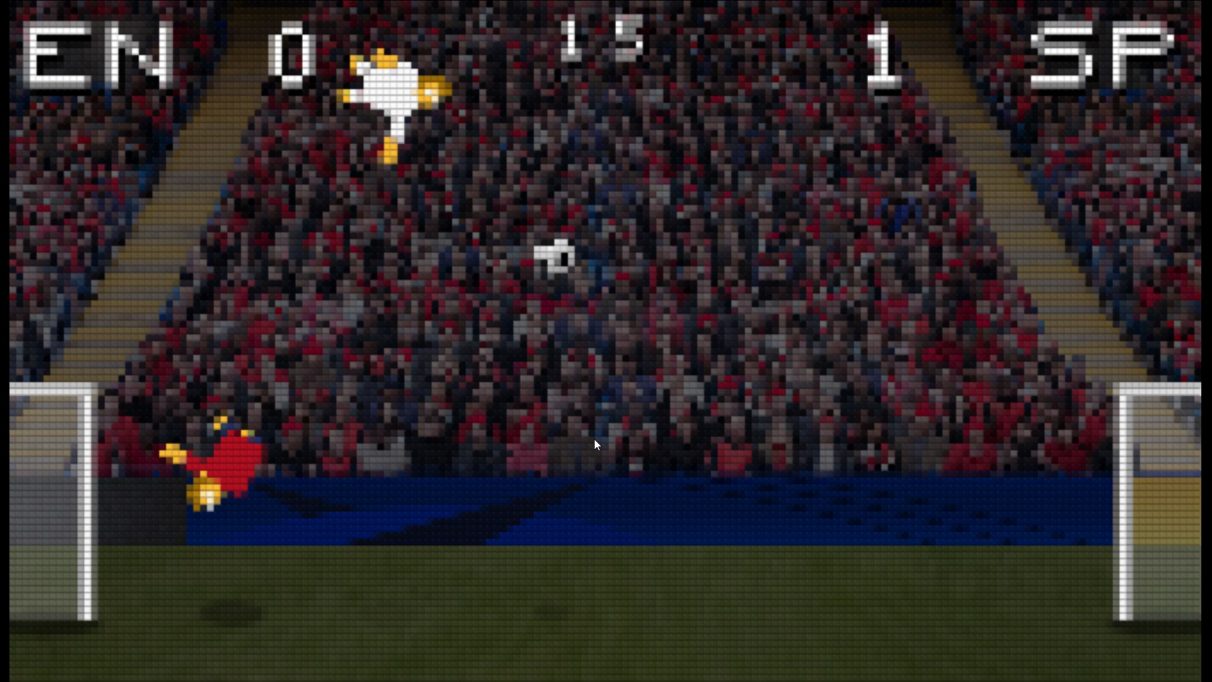
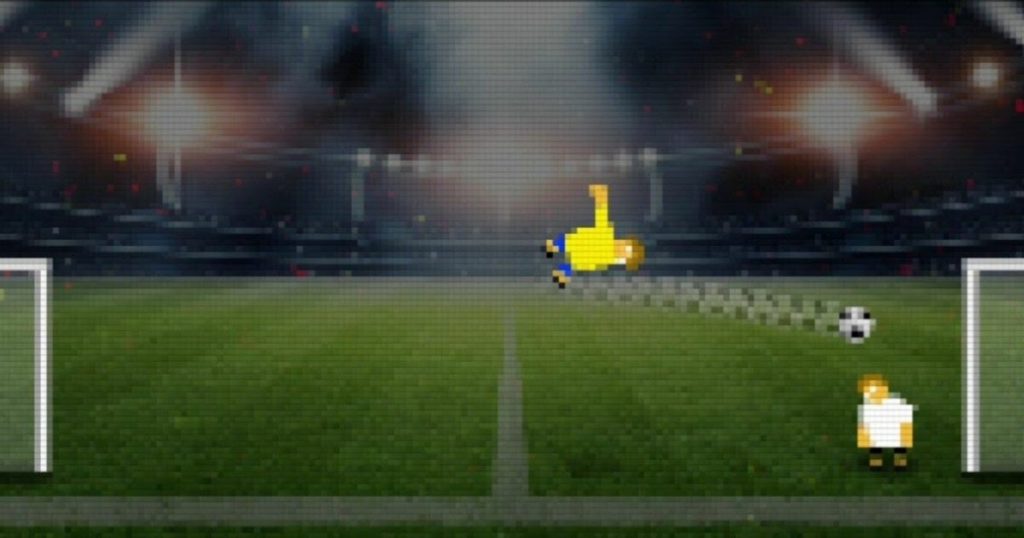
A Small World Cup is a physics-based football game where every movement is affected by momentum and ragdoll mechanics. Players control floppy characters that can easily slip, miss the ball, or overhit shots if timing is wrong.
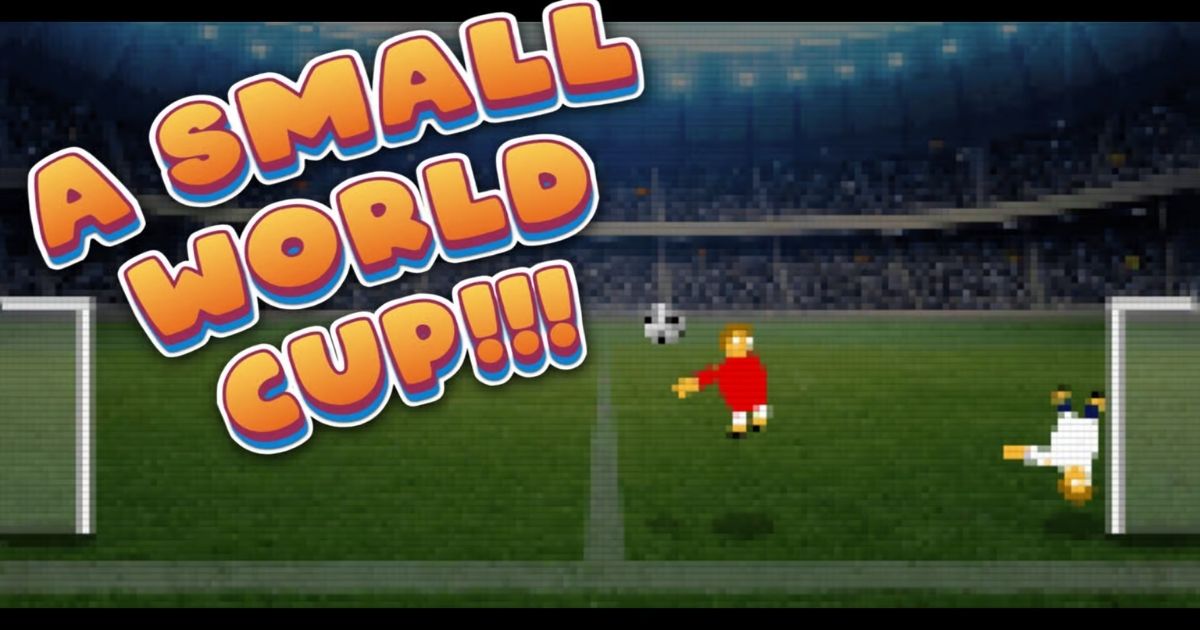
Unlike traditional football games, success depends less on tactics and more on positioning and reaction control. This creates unpredictable matches where even weaker teams can defeat stronger opponents.
How the Tournament System Works
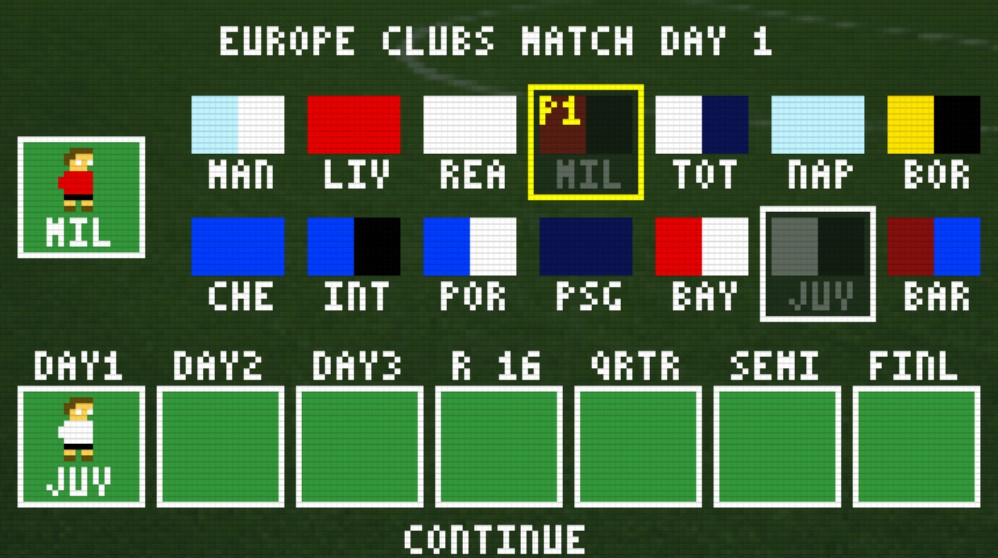
To win the championship, you must pass 7 consecutive knockout rounds. Each round becomes more difficult as AI opponents improve their reaction and positioning.
If you lose even one match, you are eliminated and must restart the entire tournament. This high-stakes system makes every decision extremely important.
Can You Actually Beat World Cup Champions?
Yes, you can beat World Cup champions in the game because AI behavior follows predictable patterns. It does not react perfectly, which allows skilled players to exploit mistakes.
With patience and smart positioning, even top teams can be defeated. The key is not rushing but waiting for the right moment to strike.
Golden Strategies to Win Consistently
Start matches by playing defensively and observing AI movement before engaging. Many opponents overcommit early, creating open scoring chances.
Learn controlled dragging instead of fast movement to improve shot accuracy. Smooth and precise control is far more effective than chaotic rushing.
Use Environment and Rebounds
Goalposts and arena walls can help redirect the ball in both defense and attack. Skilled players use these rebounds to create unexpected scoring opportunities.
When the ball is airborne, bouncing off structures can change its direction in your favor. This technique often decides tight matches.
Exploit the Golden Goal Phase
If the match ends in a draw, sudden-death begins and one goal decides everything. This phase is where patience becomes a powerful advantage.
Waiting for AI mistakes during this moment often leads to easy winning chances. One clean strike can end the match instantly.
Why Upsets Happen So Often
Because of ragdoll physics, unexpected errors happen frequently in every match. This allows weaker teams to defeat stronger ones through lucky rebounds or AI mistakes.
This unpredictability is why players enjoy recreating famous football shocks in game simulations.
Top 10 craziest World Cup upsets recreated in A Small World Cup shows how these surprising results can be recreated through gameplay mechanics and timing.
World Cup Simulation and Prediction Fun
Many players also enjoy imagining real tournament outcomes using game logic and randomness. These simulations focus on unpredictability rather than real-world statistics.
This creates fun prediction content where unexpected results are always possible, similar to what happens inside the game itself. World Cup 2026 match predictions based on A Small World Cup simulations explores how chaotic mechanics can inspire creative football predictions.
Common Mistakes That Lead to Losing
Many players lose because they rush directly at the ball without waiting for AI mistakes. This often leads to own goals or bad positioning.
Another mistake is ignoring defense and focusing only on attacking. In knockout tournaments, one mistake can immediately end the run.
How to Improve Your Winning Rate
Practicing in training mode helps you understand ragdoll physics without pressure. This builds better control over movement and shooting angles.
Over time, you will learn how to read AI behavior and predict its next move. This gives you a strong advantage in later rounds.
FAQ
Is A Small World Cup skill-based or luck-based?
It is a mix of both, but skill in timing and positioning greatly increases your win rate.
How many matches do I need to win the tournament?
You need to win 7 consecutive knockout matches to become champion.
Why do I keep losing early in tournaments?
Most early losses come from rushing, poor positioning, or lack of defensive awareness.
Can AI opponents get harder in later rounds?
Yes, AI becomes more aggressive and faster in reaction as you progress deeper into the tournament.
Conclusion
Beating World Cup champions in A Small World Cup is absolutely possible if you master patience, positioning, and controlled movement. The game rewards smart decisions more than fast reactions.
Every match is a chance to learn how physics and timing interact in unpredictable ways. With practice, even the strongest AI teams can be defeated consistently.
Try your skills today and see if you can survive all knockout rounds. Experience the chaos directly in A Small World Cup and prove you can become the ultimate champion.

Ethan Carter is an experienced gaming editor who writes practical guides, tips, and strategy content for casual browser games, including physics-based sports games like A Small World Cup.