You can win back-to-back World Cups in A Small World Cup because the game uses a looping tournament system where each 7-match run ends with a champion and immediately restarts a new cycle. The game has no limit on how many times you can defend your title, so continuous victories are fully possible.
Each tournament is a knockout structure where every match is an elimination round, so winning consistently depends on control, timing, and adapting to physics-based gameplay. The system rewards players who understand fast scoring, match pressure, and ragdoll movement mechanics rather than team strength.
This article explains how the tournament works, how repeated wins are possible, and what strategies help maintain consecutive championships. Read the full guide below to understand how back-to-back World Cup wins work in A Small World Cup.
Read more guides about gameplay strategy in A Small World Cup below.
What Does Back-to-Back Winning Mean in A Small World Cup
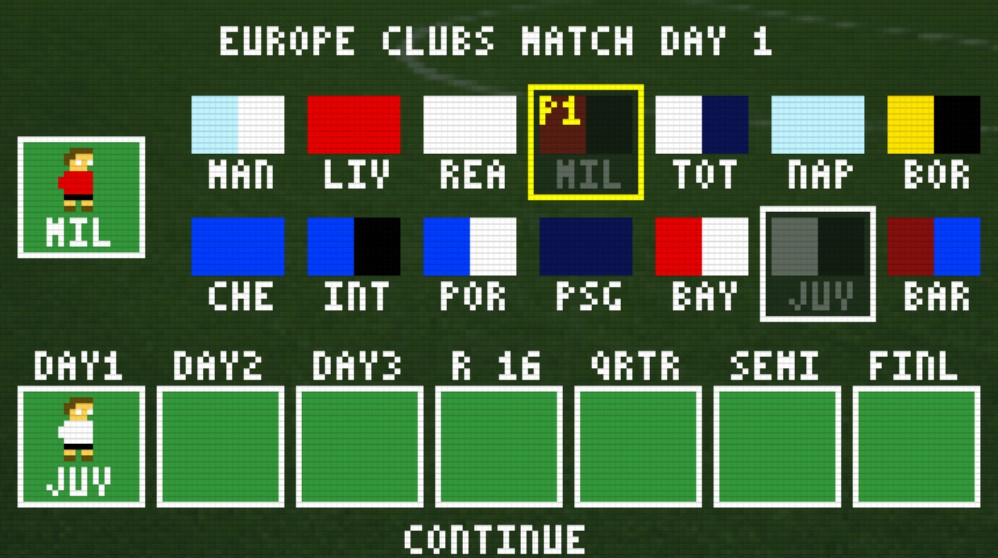
Back-to-back wins mean winning multiple World Cup tournaments consecutively without losing your championship status. In A Small World Cup, each tournament consists of 7 knockout matches. If you win all matches, you become the champion.
After winning, the game does not end. Instead, it allows you to start another tournament immediately. This loop makes repeated victories possible without restriction.
Tournament Structure in A Small World Cup
The game uses a simple knockout format instead of group stages. Every match is elimination-based, so one loss ends the run immediately.
There are no points, rankings, or second chances. This makes every match important, especially in later rounds where AI becomes more aggressive and reactive.
Why Back-to-Back Wins Are Possible
The main reason back-to-back wins are possible is the infinite loop design of the tournament system. After finishing a full 7-match run, the game resets automatically.
Your victory is recorded, and you can start another tournament instantly. There is no limit to how many championships you can earn.
Core Gameplay Factors That Decide Victory
Ragdoll Physics System
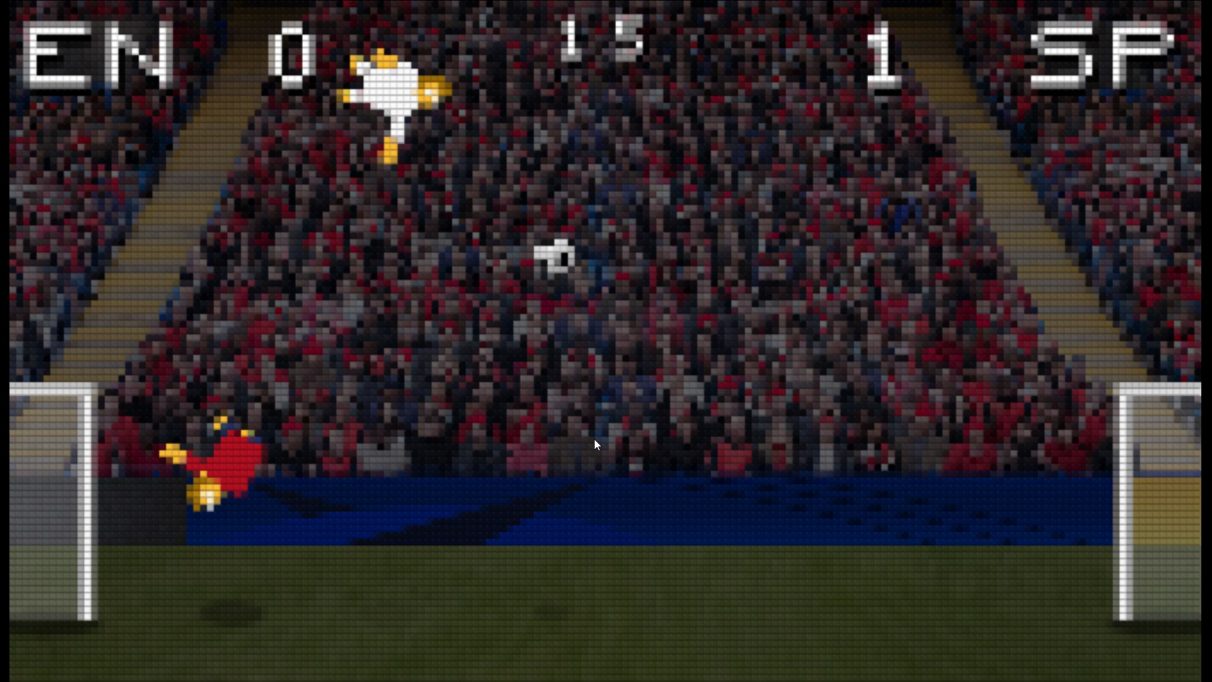
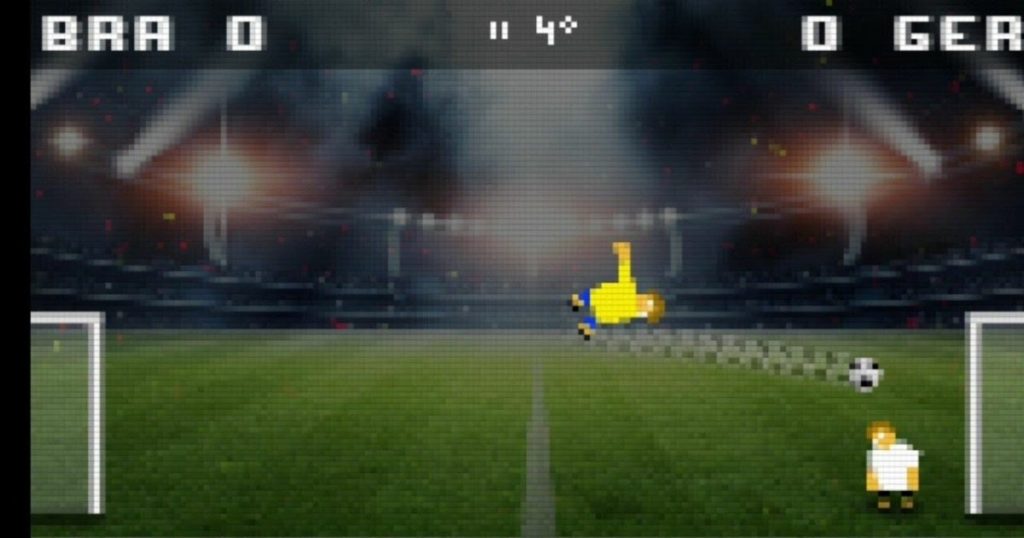
All movement in the game is controlled by physics. Players react to drag force, collisions, and momentum instead of fixed animations.
This creates unpredictable outcomes where positioning and timing matter more than raw power.
Equal Team Stats
All national teams have identical stats. There are no hidden advantages in speed, shooting, or defense.
This ensures every tournament win depends entirely on player skill.
AI Difficulty Scaling
As you progress through rounds, AI becomes more aggressive and accurate. Late-stage matches are significantly harder than early rounds.
This scaling increases challenge during repeated tournament wins.
Round-by-Round Tournament Behavior
Early Rounds
AI behavior is simpler. Matches are easier to control. Fast goals are more common.
Players can use direct kickoff shots to win quickly and reduce match time.
Mid Rounds
AI becomes more reactive. Blocking and counterattacks appear more frequently.
Players must rely on wall bounces and controlled positioning.
Late Rounds
AI pressure increases significantly. Mistakes are punished immediately.
Matches become longer and require precise timing and better control.
Final Match
The final is the most intense match of the tournament. AI reacts quickly and defends aggressively.
Winning requires consistency and strong kickoff execution.
Strategy for Winning Consecutive World Cups
To achieve back-to-back wins, players need consistent mechanics rather than risky plays. The goal is to reduce mistakes across all 7 matches.
Fast scoring is important, but control is more important in later rounds. Balanced gameplay improves consistency across tournaments.
Kickoff Control Strategy
Kickoff shots can decide early matches quickly. A strong first move often leads to instant scoring opportunities.
However, overusing aggressive kickoff can lead to risky rebounds in later rounds.
Defensive Positioning
Staying near the center helps block unexpected rebounds. This reduces the chance of conceding sudden goals.
Good positioning is key for surviving late-stage AI pressure.
Wall Interaction Usage
Walls are a major part of gameplay physics. They can redirect the ball in unpredictable ways.
Using wall rebounds correctly can create scoring chances even under pressure.
Relation to Advanced Gameplay Styles
Players who aim for back-to-back wins often study aggressive AI behavior and beginner-friendly setups to improve consistency.
Understanding different play styles helps maintain performance across multiple tournaments.
You can explore related strategies in guides like fastest way to win a World Cup tournament in A Small World Cup and gameplay insights from A Small World Cup.
Comparison: Single Win vs Back-to-Back Wins
Single tournament wins require only one successful 7-match run. Back-to-back wins require repeated consistency across multiple runs.
The difficulty increases because AI behavior, physics randomness, and pressure remain constant in every new tournament cycle.
| Factor | Single Win | Back-to-Back Wins |
|---|---|---|
| Difficulty | Moderate | High consistency required |
| Risk | One full run | Multiple consecutive runs |
| Focus | Winning tournament | Maintaining streak |
Common Mistakes That Break Winning Streaks
- Over-aggressive kickoff shots
- Poor defensive positioning
- Ignoring rebound physics
- Rushing without control
These mistakes become more dangerous as AI difficulty increases in later rounds.
FAQs
Can you win back-to-back World Cups in A Small World Cup?
Yes. The game allows unlimited tournament loops, so consecutive wins are possible.
Is there a limit to how many tournaments you can win?
No. You can continuously replay and defend your title indefinitely.
Do teams affect winning chances?
No. All teams have identical stats. Only player skill matters.
Why does difficulty increase in later rounds?
AI becomes faster and more aggressive as you progress through the tournament.
What is the best way to win consistently?
Use controlled kickoff shots, strong positioning, and avoid unnecessary risks.
Conclusion
Can You Win Back-to-Back World Cups in A Small World Cup? The answer is yes, because the game is designed as a repeating knockout system with unlimited tournament cycles. Every victory leads directly into the next opportunity to defend your title.
Success depends on mastering physics-based gameplay, maintaining consistency, and adapting to AI pressure across all rounds. Players who understand timing, positioning, and rebound control can build long winning streaks over multiple tournaments.
Play more and improve your strategy in A Small World Cup to start building your own back-to-back championship run today.

Ethan Carter is an experienced gaming editor who writes practical guides, tips, and strategy content for casual browser games, including physics-based sports games like A Small World Cup.