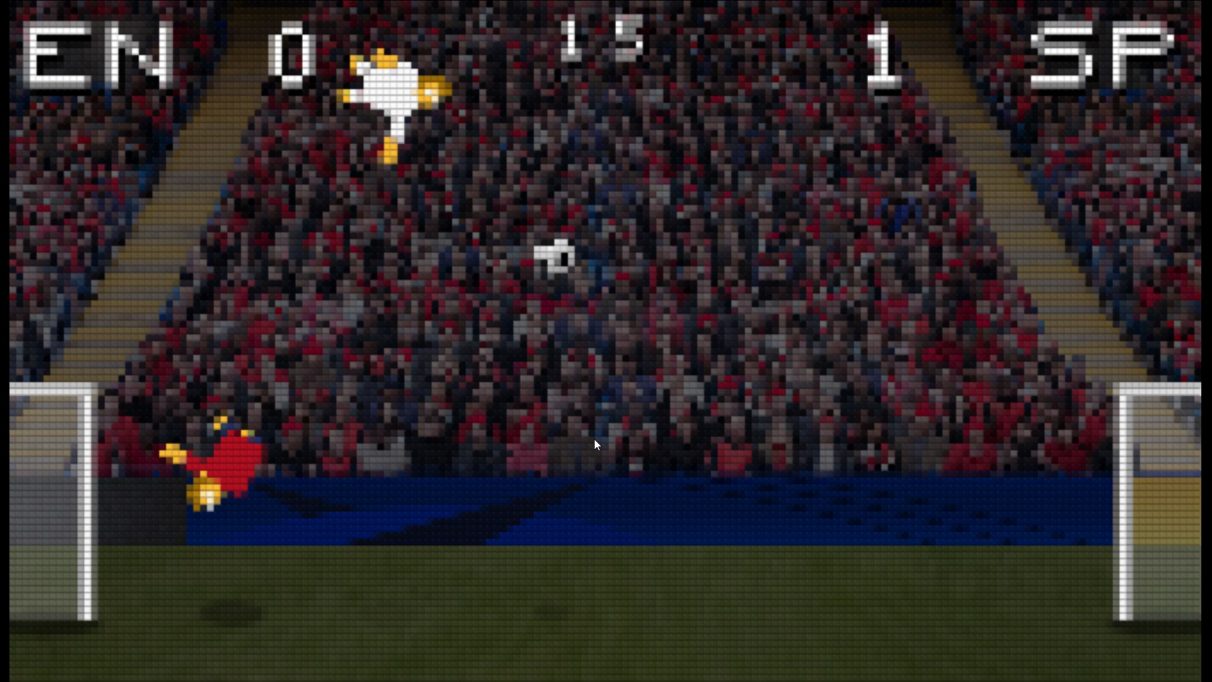
Learning how to block shots in A Small World Cup is one of the fastest ways to improve your win rate. While scoring goals is important, preventing goals often makes the difference between winning and losing close matches.
Because A Small World Cup uses physics-based gameplay, blocking shots is not just about reacting quickly. Successful defense depends on positioning, anticipation, timing, and understanding how the ball moves after collisions.
This guide explains how to block shots in A Small World Cup effectively, helping you become a stronger defender and a more complete player.
You can practice these defensive techniques while playing A Small World Cup.
Quick Answer: How to Block Shots in A Small World Cup
The best way to block shots in A Small World Cup is to stay between the ball and your goal, use controlled movements, anticipate rebounds, recover quickly after attacks, and avoid overcommitting to risky challenges.
| Blocking Technique | Benefit |
|---|---|
| Stay goal side | Stops direct scoring chances |
| Use controlled movement | Improves defensive consistency |
| Read rebounds | Allows earlier reactions |
| Recover quickly | Prevents counterattacks |
| Stay patient | Reduces defensive mistakes |
Stay Between the Ball and the Goal
The most important principle when learning how to block shots in A Small World Cup is positioning.
Whenever possible, place your player directly between the ball and your goal. This simple habit forces opponents to shoot through you or attempt more difficult angles.
Many successful blocks happen because of good positioning rather than fast reactions.
Use Controlled Defensive Movements
A common mistake is launching aggressively at every attacking player. While this can occasionally produce a spectacular save, it often leaves the goal exposed.
Instead, use smaller and more controlled movements. Short launches allow you to adjust your position while remaining ready for the next shot.
Controlled movement is one of the most reliable ways to improve your shot-blocking ability.
- Stay balanced.
- Use moderate power.
- Protect the center of the goal.
- Avoid unnecessary launches.
Anticipate the Shot Before It Happens
Experienced players do not wait for the shot before reacting. They watch the attack develop and predict where the ball is likely to go.
By anticipating the shot early, you can move into position before the ball is even struck.
Reading the game is often more effective than relying on reflexes alone.
Watch for Rebounds
The walls play a major role in A Small World Cup. Many dangerous attacks involve rebounds that change the ball’s direction unexpectedly.
Learning common rebound patterns helps defenders position themselves more effectively and block shots before they reach the goal.
Players who understand rebounds often appear to react faster because they are already expecting the ball’s movement.
| Defensive Habit | Result |
|---|---|
| Predict rebounds | Better shot coverage |
| Stay in position | More blocked shots |
| Chase the ball | More defensive gaps |
| Overcommit | Open scoring chances |
Recover Immediately After Every Attack
One of the biggest reasons players concede goals is poor recovery.
After taking a shot or making an aggressive move, immediately return to a defensive position. Strong opponents can score quickly if you remain out of place for too long.
Fast recovery is one of the most important skills for consistently blocking shots.
Do Not Chase Every Loose Ball
Many beginners leave their goal exposed because they chase every loose ball on the field.
While aggression may seem useful, maintaining defensive positioning is often the better choice.
If a loose ball is not immediately dangerous, focus on protecting the goal rather than pursuing it.
- Protect dangerous areas first.
- Stay patient.
- Avoid unnecessary risks.
- Force opponents into difficult angles.
Block Angles Instead of the Ball
Another useful technique is focusing on shooting angles rather than the ball itself.
If you can place your player in the path of the most likely shot, you increase the chances of making a successful block even if the attacker changes direction slightly.
Angle control is a key defensive skill used by experienced players.
Stay Calm Near the Goal
Some of the most difficult moments occur when the ball bounces repeatedly around your goal area.
Panicking often leads to poor launches, missed saves, or even accidental own goals.
The best defenders remain calm and make controlled movements even during chaotic situations.
Practice Defensive Positioning
Shot blocking becomes much easier when positioning feels natural.
Spend time focusing on defensive play and observing how successful defenders position themselves in different situations.
Over time, you’ll develop instincts that help you block shots more consistently.
For a broader look at defensive gameplay, read our A Small World Cup defense tips guide.
Common Mistakes When Blocking Shots
Many players struggle because they repeatedly make the same defensive errors.
- Chasing every ball.
- Ignoring positioning.
- Using maximum power too often.
- Recovering too slowly.
- Panicking near the goal.
- Overcommitting to challenges.
Avoiding these mistakes can significantly increase your defensive consistency.
If you want to improve your overall game awareness, check out our how to defend in A Small World Cup guide.
Final Answer: How to Block Shots in A Small World Cup
The best way to block shots in A Small World Cup is to prioritize positioning, stay between the ball and the goal, recover quickly after attacks, and anticipate rebounds before they happen.
Players who remain patient and disciplined defensively will block more shots, concede fewer goals, and win more matches over time.
FAQs
How do I block shots in A Small World Cup?
Stay between the ball and your goal, use controlled movements, and anticipate where the shot is likely to go.
Should I challenge every attacker?
No. Maintaining defensive positioning is often more effective than aggressively chasing the ball.
Why do I miss so many blocks?
Common reasons include poor positioning, overcommitting, slow recovery, and failing to anticipate rebounds.
Are rebounds important for defense?
Yes. Understanding rebound patterns helps you predict the ball’s movement and prepare for shots earlier.
Should I use maximum power when defending?
Usually not. Controlled launches provide better positioning and more consistent defensive results.
How can I become a better defender?
Practice positioning, improve recovery speed, learn rebound patterns, and stay calm during high-pressure situations.
Conclusion
Understanding how to block shots in A Small World Cup is essential for long-term success. Strong defensive positioning, controlled movement, quick recovery, and smart anticipation will help you stop more attacks and gain an advantage over opponents.
With practice, you’ll become more confident in defensive situations and turn difficult saves into a regular part of your gameplay.

Ethan Carter is an experienced gaming editor who writes practical guides, tips, and strategy content for casual browser games, including physics-based sports games like A Small World Cup.