A Small World Cup movement tips can help players improve every aspect of their gameplay. While scoring and defending are important, movement is the foundation that makes both possible. Players who move efficiently create better shooting opportunities, recover faster, and maintain stronger defensive positions throughout a match.
Many beginners focus entirely on hitting the ball, but experienced players understand that success often depends on where their character is positioned before and after every action. Good movement allows you to control the pace of the game and react more effectively to unpredictable situations.
This guide covers the best A Small World Cup movement tips to help you navigate the field more efficiently and improve your overall performance.
You can practice these techniques immediately while playing A Small World Cup.
Quick Answer: A Small World Cup Movement Tips
The best A Small World Cup movement tips are using controlled launches, maintaining good positioning, recovering quickly after every move, avoiding unnecessary movement, and always thinking about your next position.
| Movement Tip | Benefit |
|---|---|
| Use controlled launches | Improves accuracy and control |
| Stay positioned well | Creates offensive and defensive options |
| Recover quickly | Prevents easy goals |
| Move with purpose | Reduces mistakes |
| Anticipate ball movement | Improves reaction speed |
Focus on Controlled Movement
One of the most valuable A Small World Cup movement tips is avoiding unnecessary full-power launches. While powerful movements can cover a lot of distance, they often make it difficult to maintain control.
Smaller, controlled movements allow you to position yourself more accurately and react faster when the situation changes.
Players who move with precision usually perform better than those who rely on constant maximum-power launches.
Always Think About Positioning
Movement is not just about reaching the ball. Every action should place you in a useful position for your next move.
Before launching, ask yourself where you will end up. If the answer leaves your goal exposed or places you far from the action, consider a different approach.
Strong positioning is one of the biggest differences between beginners and advanced players.
- Stay close enough to defend.
- Maintain access to attacking opportunities.
- Avoid getting trapped near walls.
- Think one move ahead.
Master Recovery Movement
Recovery is a crucial part of effective movement. After every shot, save, or challenge, you should immediately begin repositioning yourself.
Many goals are conceded because players remain out of position after attacking. Quick recovery allows you to stay involved in the play and defend against counterattacks.
Among all A Small World Cup movement tips, recovery may provide the fastest improvement to your overall performance.
Move Less, Achieve More
A common mistake is moving constantly without a clear purpose. Excessive movement often creates problems instead of solving them.
The best players make efficient movements that accomplish multiple goals at once, such as protecting the goal while preparing for a future attack.
Every launch should have a reason behind it.
| Movement Habit | Result |
|---|---|
| Efficient movement | Better positioning |
| Controlled launches | Higher consistency |
| Random movement | More mistakes |
| Overcommitting | Poor recovery |
Learn How Physics Affects Movement
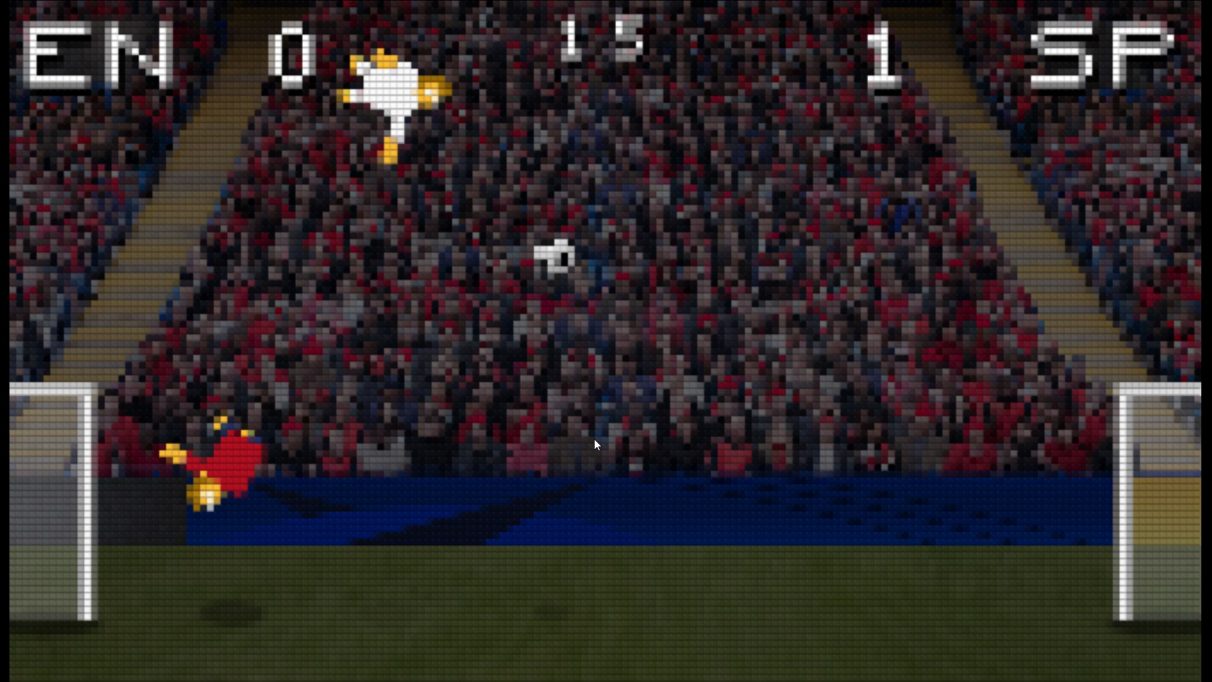
A Small World Cup uses a physics-based movement system that creates unique interactions between the player, the ball, and the environment.
Understanding how momentum affects your character is one of the most useful A Small World Cup movement tips because it allows you to predict outcomes more accurately.
The more familiar you become with the physics system, the easier it becomes to control your movements.
Stay Balanced Between Offense and Defense
Good movement supports both attacking and defending. Players who commit fully to offense often leave themselves vulnerable when possession changes.
Try to maintain positions that allow quick transitions between attacking and defending responsibilities.
Balance is often more important than aggression.
- Do not overcommit to attacks.
- Keep recovery paths open.
- Protect dangerous areas.
- Stay ready for counterattacks.
Anticipate the Ball’s Next Location
Successful movement is often proactive rather than reactive. Instead of chasing the ball after it moves, try predicting where it will go next.
This approach allows you to arrive earlier and gain better control of important situations.
Reading rebounds and bounce patterns becomes easier with practice and experience.
Use Space Effectively
The field may seem small, but space management is still important. Avoid crowding the ball unnecessarily when a better position is available nearby.
Creating space for yourself can improve both offensive opportunities and defensive stability.
Players who understand spacing often appear to have more time to react because they position themselves intelligently.
Practice Movement in Different Situations
Movement skills improve through repetition. Spend time practicing in a variety of match situations to become more comfortable with different scenarios.
Focus on positioning, recovery, and efficient navigation rather than simply trying to score goals.
For a broader overview of gameplay mechanics, read our A Small World Cup guide.
Common Movement Mistakes
Many players struggle because of a few recurring movement errors.
- Using maximum power too often.
- Moving without a clear objective.
- Ignoring recovery positioning.
- Chasing the ball constantly.
- Overcommitting to attacks.
- Reacting too late to rebounds.
Avoiding these mistakes can immediately improve your consistency and control.
If you want to strengthen your overall gameplay, check out our A Small World Cup beginner tips article.
Final Answer: A Small World Cup Movement Tips
The best A Small World Cup movement tips focus on control, positioning, anticipation, and recovery. Players who move efficiently can create more scoring opportunities, defend more effectively, and maintain better control throughout the match.
Mastering movement takes practice, but it is one of the most valuable skills you can develop if you want to become a stronger A Small World Cup player.
FAQs
What are the best A Small World Cup movement tips?
The most effective tips include using controlled launches, maintaining strong positioning, recovering quickly, and moving with purpose.
Why is movement so important?
Movement affects both offense and defense. Good positioning creates more opportunities while reducing mistakes.
Should I always move toward the ball?
No. Sometimes maintaining a strategic position is more valuable than chasing the ball.
How can I improve my movement quickly?
Practice controlled launches, focus on recovery, and learn how the game’s physics system affects momentum.
What is the biggest movement mistake beginners make?
Many beginners overuse maximum-power launches and move without considering their future position.
How does movement help with defense?
Efficient movement keeps you in position to block shots and recover quickly after attacking.
Conclusion
These A Small World Cup movement tips provide a strong foundation for improving your overall gameplay. By focusing on positioning, recovery, efficient movement, and anticipation, you can gain a significant advantage over opponents.
Continue practicing these principles consistently, and you’ll soon notice better control, stronger defense, and more effective attacks in every A Small World Cup match.

Ethan Carter is an experienced gaming editor who writes practical guides, tips, and strategy content for casual browser games, including physics-based sports games like A Small World Cup.