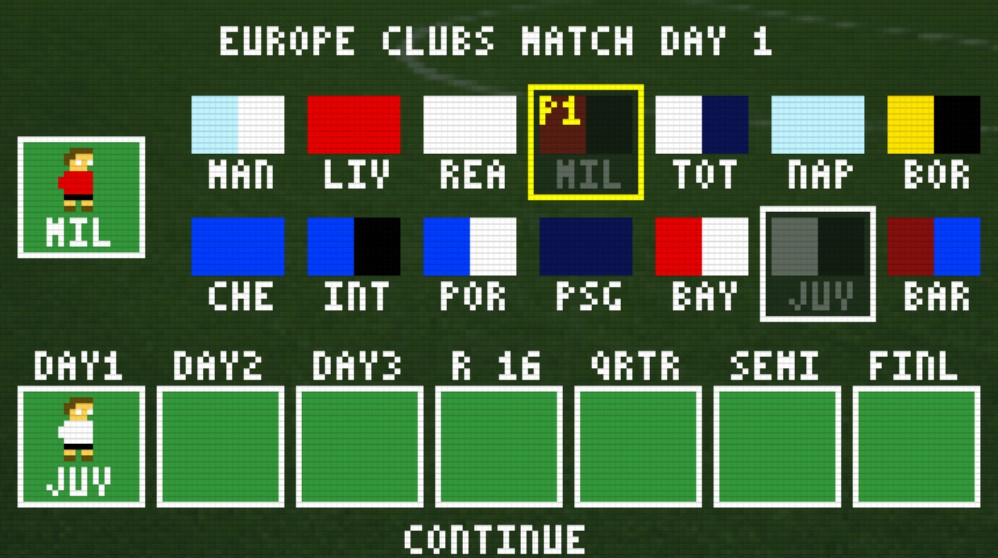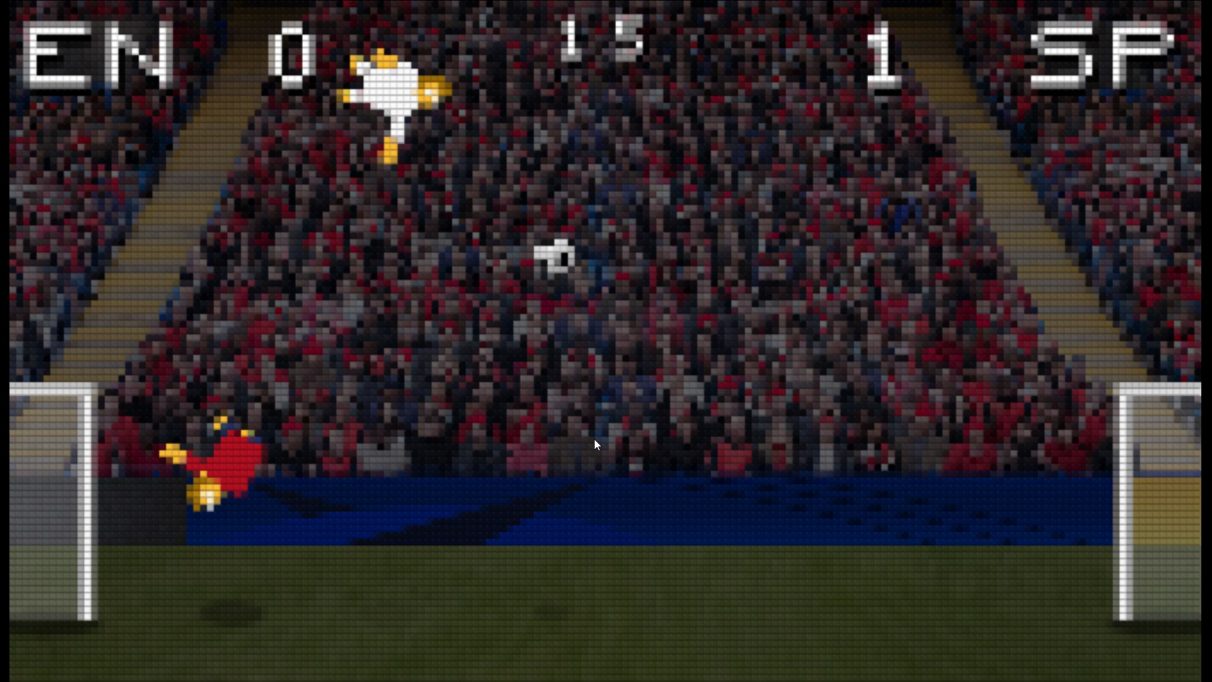
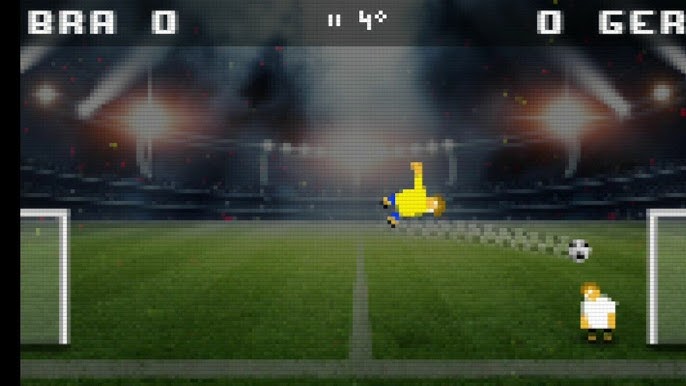
Football fans love making predictions. Before every FIFA World Cup, millions of supporters attempt to forecast group winners, knockout-stage surprises, and the eventual champion. Some rely on statistics, others trust their instincts, and many turn to football games and simulations to test possible tournament outcomes.
This raises an interesting question: can A Small World Cup actually predict real World Cup results? At first glance, the game appears too simple and chaotic to offer meaningful insights. However, when players simulate tournaments repeatedly, certain patterns begin to emerge.
While A Small World Cup is primarily designed for entertainment, it can still provide a fascinating perspective on how international tournaments unfold. In this article, we’ll explore whether the game has any predictive value and how closely its results can mirror real football competitions.
Quick Answer: Can A Small World Cup Predict Real World Cup Results?
No, A Small World Cup cannot reliably predict real World Cup results. However, it can highlight possible tournament scenarios, reveal the importance of momentum, and demonstrate how unpredictable knockout football can be.
The game’s physics-based mechanics create outcomes that are often more chaotic than real football. Even so, many of the lessons players learn from simulations can surprisingly resemble real World Cup tournaments.
Why Fans Use Simulations Before Major Tournaments
World Cup simulations have always been popular among football fans. They provide a way to imagine future matchups and explore potential paths to the final before the tournament begins.
Some fans create brackets by hand, while others use advanced statistical models. Games like A Small World Cup offer a more entertaining approach because players can actively participate in the simulation rather than simply reading predictions.
This interactive experience makes tournament forecasting far more engaging.
How A Small World Cup Differs From Real Football
Before evaluating its predictive value, it’s important to understand how A Small World Cup differs from actual football.
| Real World Cup | A Small World Cup |
|---|---|
| 11 players per team | Single controllable character |
| Complex tactics | Physics-based gameplay |
| Real-world player quality | Player skill matters most |
| Strategic formations | Fast reactions and positioning |
| Long matches | Quick, chaotic matches |
These differences make direct predictions difficult. Real football involves countless variables that cannot be fully replicated inside a browser game.
However, some tournament dynamics remain surprisingly similar.
The Similarities Between Real Tournaments and the Game
Although the gameplay differs significantly, both competitions share several important characteristics. Teams must survive group stages, handle knockout pressure, and maintain momentum throughout the tournament.
Upsets can occur in both formats. Favorites occasionally struggle, while underdogs sometimes exceed expectations.
This shared unpredictability is one reason many players enjoy simulating World Cups within the game.
Can the Favorites Still Win?
One interesting observation is that football powerhouses often perform well in A Small World Cup simulations. Nations such as Argentina, France, Brazil, Germany, and Spain frequently advance deep into tournaments.
This mirrors real World Cup expectations, where these countries are usually considered serious contenders. Their strong football reputations naturally influence player choices and tournament outcomes.
However, success is never guaranteed.
The Problem of Chaos
The biggest obstacle to accurate prediction is the game’s unpredictable physics system. Strange rebounds, accidental goals, and sudden momentum swings occur far more frequently than in real football.
A heavily favored nation can lose because of a single unusual bounce. Likewise, a lower-ranked team can make an unexpected run thanks to a series of fortunate moments.
While this chaos makes the game fun, it limits its reliability as a forecasting tool.
What Simulations Can Teach Us
Even if the results themselves are not accurate predictions, simulations can still provide valuable lessons. They remind fans that tournament football is inherently unpredictable.
Many supporters focus exclusively on favorites while ignoring the possibility of surprises. Simulations help illustrate how quickly expectations can change.
This perspective often makes fans more open-minded when evaluating real tournaments.
The Importance of Momentum
Momentum plays a significant role in both real football and A Small World Cup. Teams that start strongly often gain confidence and continue performing at a high level.
Conversely, early struggles can create pressure that affects future performances. While the reasons differ between real football and the game, the overall concept remains similar.
This is one of the more realistic aspects of tournament simulations.
Knockout Football Is Always Unpredictable
The knockout stage is where predictions become especially difficult. A single match can completely change the direction of a tournament.
History is filled with examples of heavily favored teams suffering unexpected eliminations. The World Cup’s single-elimination format creates opportunities for surprises that league competitions rarely produce.
A Small World Cup captures this uncertainty remarkably well.
If you’re interested in exploring possible tournament paths, check out World Cup 2026 Knockout Bracket Predictor. It examines how the tournament bracket could develop and which teams may reach the final rounds.
How Accurate Are Repeated Simulations?
One simulation tells us very little. Running dozens or even hundreds of tournaments can reveal broader patterns, but those patterns still shouldn’t be treated as predictions.
Repeated simulations may identify teams that consistently perform well. However, they cannot account for injuries, tactical adjustments, player form, or countless other real-world factors.
The results are best viewed as entertainment rather than forecasting.
Why Underdogs Matter
One of the most enjoyable aspects of both real World Cups and A Small World Cup is the possibility of underdog success. Fans love stories about unexpected teams achieving remarkable results.
Simulations frequently produce these scenarios because the game’s mechanics give every nation a chance. This mirrors the emotional appeal of real football, where surprises are always possible.
Underdogs are often what make tournaments memorable.
Do Team Rankings Matter?
Traditional football rankings influence expectations, but they don’t guarantee success. Even the strongest nations can struggle under pressure.
In A Small World Cup, player skill matters more than team selection. A talented player using a lower-ranked nation can often defeat someone controlling a football powerhouse.
This dynamic further reduces the game’s predictive accuracy.
If you’d like a detailed look at how different nations compare in the game, read Every World Cup Nation Ranked for A Small World Cup Gameplay.
What the Game Gets Right About the World Cup
Despite its limitations, A Small World Cup captures several truths about international football. The game emphasizes pressure, momentum, unpredictability, and the possibility of dramatic upsets.
These elements are central to the World Cup experience. Fans never know exactly what will happen, which is why the tournament remains one of the world’s most watched sporting events.
The game successfully recreates that sense of uncertainty.
What the Game Cannot Predict
There are many factors that A Small World Cup simply cannot replicate. Real football involves coaching strategies, player chemistry, fitness levels, and psychological preparation.
Weather conditions, injuries, travel schedules, and tactical decisions also influence results. These variables often determine the outcome of major tournaments.
No simple browser game can fully account for all of them.
Why Fans Still Love Simulating Tournaments
Accuracy isn’t the primary reason people enjoy simulations. Most fans understand that games cannot perfectly forecast the future.
Instead, simulations allow supporters to explore possibilities and imagine alternate tournament stories. They create excitement before the real matches begin.
For many players, that experience is just as enjoyable as making accurate predictions.
Final Verdict
A Small World Cup is not a reliable tool for predicting real World Cup results. The game’s physics-based mechanics introduce too much randomness to consistently forecast actual outcomes.
However, it does capture several essential aspects of tournament football, including momentum, pressure, upsets, and the unpredictability of knockout matches. These similarities make simulations entertaining and occasionally thought-provoking.
Ultimately, A Small World Cup should be viewed as a fun way to explore possible World Cup scenarios rather than a serious prediction engine. While it may not tell us exactly who will lift the trophy, it does remind us of an important truth: in football, anything can happen.

Ethan Carter is an experienced gaming editor who writes practical guides, tips, and strategy content for casual browser games, including physics-based sports games like A Small World Cup.