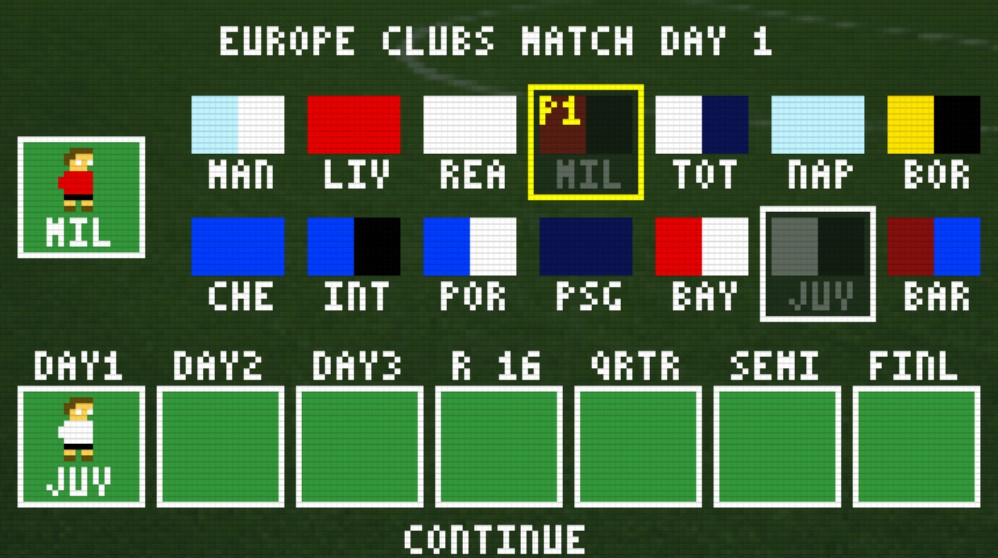

Every football fan loves an underdog story. Whether it’s a small nation upsetting a tournament favorite or an unknown player becoming a national hero, unexpected success is one of the reasons the World Cup remains so captivating. The possibility that anything can happen keeps fans watching until the final whistle.
That same excitement exists in A Small World Cup. While many players naturally choose powerful football nations such as Argentina, Brazil, France, or Spain, others deliberately select the lowest-ranked teams available and attempt to accomplish the impossible. Their goal is simple but incredibly challenging: win the entire World Cup with the weakest team in the tournament.
But is this actually possible? Can a team that nobody expects to succeed lift the trophy in A Small World Cup? The answer may surprise you.
Quick Answer: Can the Lowest-Ranked Team Win the World Cup?
Yes, it is absolutely possible to win the World Cup as the lowest-ranked team in A Small World Cup. Unlike real football, where differences in squad quality often determine results, A Small World Cup places far greater emphasis on player skill, timing, positioning, and adaptability.
Winning with the lowest-ranked team is difficult, but many experienced players consider it one of the most rewarding challenges the game has to offer.
Why Rankings Matter Less in A Small World Cup
In real football, rankings exist for a reason. Stronger nations generally have better players, more experience, superior coaching, and deeper talent pools. Over the course of a long tournament, those advantages usually become difficult to overcome.
A Small World Cup works differently. The game simplifies football into a physics-based competition where quick reactions and intelligent positioning often matter more than reputation. A perfectly timed jump can neutralize the advantage of even the strongest opponent.
Because of this design, lower-ranked teams become much more competitive than they would be in reality.
The Biggest Challenges of Using the Lowest-Ranked Team
Although the challenge is possible, it is certainly not easy. Choosing the weakest team means accepting that every match will require focus and consistency.
Players often encounter several obstacles during these runs:
- Greater pressure in important matches
- Less room for mistakes
- Psychological pressure from facing stronger teams
- Longer tournament paths
- More difficult comeback situations
The challenge becomes even harder during the knockout rounds, where a single mistake can end an entire tournament run.
Comparing Strong Teams and Lowest-Ranked Teams
| Factor | Strong Teams | Lowest-Ranked Teams |
|---|---|---|
| Player Confidence | Usually higher | Often lower |
| Challenge Level | Moderate | High |
| Satisfaction of Winning | Good | Excellent |
| Learning Opportunity | Moderate | Very High |
| Replay Value | Good | Outstanding |
As the table shows, choosing the weakest team significantly increases the difficulty, but it also makes success much more rewarding.
Why Many Players Prefer the Underdog Challenge
Interestingly, many veteran players eventually stop using powerhouse nations altogether. After winning multiple tournaments with elite teams, they begin searching for a greater challenge.
The lowest-ranked team provides exactly that. Every victory feels meaningful because players know they are succeeding despite the odds. The challenge transforms routine matches into memorable battles.
Many players even argue that winning with an underdog is more satisfying than winning with a favorite.
How Skill Becomes the Great Equalizer
The most important reason this challenge is possible is that A Small World Cup rewards player skill above everything else. Experienced players understand how to anticipate rebounds, control positioning, and react quickly to changing situations.
These abilities become especially valuable when using weaker teams. Since you cannot rely on reputation, every advantage must come from your own decision-making.
Over time, players often discover that their results improve dramatically once they stop worrying about rankings and focus entirely on execution.
Surviving the Group Stage
The first step toward an unlikely championship is escaping the group stage. This phase of the tournament often determines whether an underdog run has any chance of success.
When using the lowest-ranked team, consistency becomes critical. Losing focus against weaker opponents can be just as dangerous as facing tournament favorites.
Many successful underdog runs begin with a simple objective: avoid unnecessary mistakes and secure qualification by any means possible.
Once the knockout rounds begin, anything can happen.
The Importance of Chaos
One reason underdogs have a chance in A Small World Cup is the game’s inherent unpredictability. The physics engine creates unusual situations that can completely change the momentum of a match.
A lucky rebound, an awkward deflection, or a strange bounce can instantly erase the advantage of a stronger team. While skill remains important, chaos occasionally opens the door for unexpected results.
This unpredictability is one of the reasons players love the game.
If you’re interested in how unpredictability affects tournament outcomes, check out Ranking Every World Cup 2026 Group by Chaos Level. The article explores how uncertainty can reshape entire competitions.
Learning From Funny Mistakes
Every player attempting an underdog challenge will eventually experience frustration. Sometimes the ball takes an impossible bounce. Sometimes an accidental own goal changes everything.
However, these moments are also part of what makes the game enjoyable. The funniest goals often become the most memorable stories because they remind players not to take every match too seriously.
In fact, many of the game’s most hilarious moments come from unexpected situations. You can see some great examples in The Funniest Goals Ever Scored in A Small World Cup.
Strategies for Winning With the Lowest-Ranked Team
While there is no guaranteed formula for success, certain strategies consistently improve your chances.
Stay Patient
Many players become overly aggressive when facing stronger opponents. Patience often produces better results because it allows you to capitalize on mistakes.
Prioritize Defense
Preventing goals is usually easier than constantly chasing comebacks. Strong defensive positioning helps keep matches under control.
Use Momentum Wisely
Momentum shifts quickly in A Small World Cup. When you gain an advantage, focus on maintaining pressure rather than immediately taking unnecessary risks.
Accept Some Bad Luck
Not every defeat is avoidable. Sometimes the physics system creates situations that nobody could predict. Accepting this reality helps players stay focused during future matches.
The Most Rewarding Championship Possible
Winning the World Cup with a favorite team feels satisfying. Winning it with the lowest-ranked team feels legendary.
Every stage of the tournament becomes more meaningful because the odds seem stacked against you. The final victory feels like the culmination of dozens of difficult decisions and hard-fought matches.
This sense of accomplishment explains why so many experienced players continue returning to the challenge.
What Happens After You Win?
For many players, completing an underdog championship becomes a defining gaming achievement. Some immediately attempt the challenge again with a different nation. Others begin experimenting with additional restrictions to make future tournaments even harder.
The beauty of A Small World Cup lies in its replayability. There is always another challenge waiting, another underdog ready to surprise the world, and another trophy to pursue.
This endless variety keeps the experience fresh long after the first championship is won.
Final Verdict
So, can you win the World Cup as the lowest-ranked team in A Small World Cup?
The answer is a clear yes. While the challenge is significantly more difficult than using a traditional powerhouse, it is far from impossible. The game’s emphasis on skill, positioning, and adaptability ensures that every nation has a chance in the right hands.
More importantly, winning with the weakest team may be the most satisfying accomplishment the game offers. Every upset feels earned, every knockout victory feels dramatic, and lifting the trophy becomes a true underdog story.
If you’re looking for a new challenge, choose the lowest-ranked team available and see how far you can go. You might discover that the most difficult path is also the most rewarding.

Ethan Carter is an experienced gaming editor who writes practical guides, tips, and strategy content for casual browser games, including physics-based sports games like A Small World Cup.